Ok, so I often get asked the question of whether I spend a lot of time in the kitchen. And people seemed surprised when I answer with a resounding "NO!" Really. I'm not kidding. I love cooking and eating orgasmically delicious food but I don't want to spend all bloody day making a meal. I've got loads of other things I want to and have to do as well. So I how do I juggle making 3 wholesome nourishing meals a day plus snacks and run a small business on the side (plus look after 2 kids, exercise, and run a household and blah blah blah??????).
Here are some of my time-saving tricks of the trade:
3 wholesome nourishing meals a day plus snacks and run a small business on the side (plus look after 2 kids, exercise, and run a household and blah blah blah??????).
Here are some of my time-saving tricks of the trade:
1. make casseroles a staple meal- these one pot wonders are ridiculously quick, easy and convenient to make. You literally throw everything in the pot at once - meat on the bone, stock, veggies and spices, put on the lid, whack it in the oven on low temp (80-120 degrees) and forget about it until your next meal. A casserole takes me about 3-4 minutes to prepare (if you don't believe me ask one of the Roosters boys- they timed me the other day during a cooking class!) and that included taking the meat out of the plastic wrapping and chopping any veggies. You can throw it together before you leave for work to come home to a dinner already made. Or make it in the evening for dinner the folioing night. Think a day or half a day ahead.
2. stretch a casserole over several meals by keeping it in the oven on super low heat (e.g. 80 degrees) over the course of a couple of days. e.g. consume some of the casserole for dinner, leave the rest in the oven overnight and in the morning I put some of it in the kids' and Grant's Thermos containers for them to take to school/work for lunch, then I leave the remainder in the oven for me to have later that day for my lunch. This saves you from sticking it the fridge and dirtying pots to reheat it. The longer a casserole stays in the oven the more tender the meat becomes and the more concentrated the flavour. No down side and less cleaning up in between.
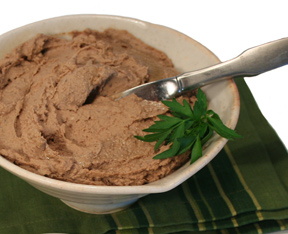
2. make time consuming things in bulk. e.g. stock, pate, rissoles, sauerkraut. I make about 15 litres of stock at a time in a big stock pot and spend about an hour once every fortnight straining the stock, pouring into smaller containers for freezing, and picking meat off the bones. You don't want to be making stock every second day.
3. cook most vegetables by steaming. Its much faster than frying and roasting and it retains more nutrients than boiling. To steam super efficiently boil water in the kettle, add unwashed veggies in the steamer, pour boiling water from the kettle onto steamed veggies which washes them at the same time as pouring boiling water into the bottom of the steamer. Kills 2 birds with one stone......
4. I'm not fastidious about peeling or washing organic veggies unless they obviously look really dirty or mangey or covered with clumps of dirt. We live in too sterile an environment. A bit of soil or bacteria here and there from a chemical free organic farm is just the ticket to building our ailing immunity and diversifying our gut flora. And while we're talking veggies, I know different veggies cook at different speeds e.g. carrots takes much longer than zucchinis....but damed if I'm going to stand around in the kitchen and add different vegetables to the pot/steamer at different times. The way around this is to cut the veggies into different sizes to take account of their cooking time. e.g. chop a whole zucchini in half or thirds but chop a carrot more finely, so they end up cooking at the same time. Get it?! Same rule applies when I add veggies to casseroles. Sweet potato and carrots take the longest to cook so cut these smaller than say potatoes or green veggies.
5. Throw left over meat into salads for lunch the next day. I add left over veggies and left over meat into a saucepan with home made stock to make a quick soup. This is my typical week day lunch.
6. I buy meat in bulk every week or fortnight- some I keep in the fridge to consume fresh and the rest I freeze. This saves me from going to the butcher frequently. I defrost meat when the fresh meat is about to run out. I take turns with fish, chicken, pork, beef and lamb but eat more of the latter 2 meats (for better omega 3/6 balance). Yes in an ideal world we would consume everything fresh and not freeze, but hey, its not a perfect world and unless you are fortunate enough to live walking distance from a great butcher or you happen to drive past one frequently, only eating fresh (not frozen) meat is a lofty aspiration.
7. I don't eat grains and legumes so I am now saving a stack of time on not having to properly prepare those time consuming little suckers!! Grains and legumes are a relatively recent addition to the human diet (they were only introduced 10,000 years ago as part of the agricultural revolution which is a tiny blip in the context of human evolution when you consider that our genes were set 2.6 million years ago on a hunter gatherer diet). Grains and legumes are nutritionally unnecessary (esp if you are consuming meat or dairy), contain toxins in the outer husk which lead to digestive issues and gut problems (e.g. leaky gut, autoimmune diseases) and leach vitamins and minerals out of the body, esp in children. The bottom line is that they do more harm than good and not only that it is really time consuming to properly prepare them by soaking or sprouting in a bid to remove some (but alas not all) of the phytates (toxins) contained in the outer husk. I shudder at the thought of all those wasted hours and hours I spent as a vegetarian soaking, rinsing, sprouting, stirring while cooking to prevent sticking and burning etc etc.
8. keep it super simple with a meat and 3 veg meal. e.g. lamb cutlets or steak plus a salad or some steamed veggies. This is really quick to make, no fuss and never disappoints.
9. when you have NOTHING prepared for lunch or dinner (or when you've just stepped in the door from a week holiday to a fridge devoid of fresh produce or meat as I did this week) then you cant go wrong with a cup of broth, a chunk of cheese, some sauerkraut and an egg. This is the advantage of having the following staples in my fridge at all times: stock, eggs, cheese, sauerkraut. They have longevity, nutrient-density and convenience.
So what do you think- do these ideas help? What are some of your time-saving tricks??