Is organic certification necessary?
 Organic certification of products came into place to give the consumer some measure of comfort that the product complies with organic farming practises. But is it necessary and does certification guarantee that product is healthy? Here's my view:
I look beyond the existence or non-existence of a certification stamp and ask whether the product is IN SUBSTANCE organic, meaning is it grown or reared in accordance with the laws of nature?
- In the case of fresh produce this means asking if the produce is grown locally, seasonally, is unsprayed and grown without petrochemical fertilisers.
- In the case of ruminant animals (beef, sheep, goat) and the milk that comes from such animals, this means asking if the animals are fed grass and grass only (as opposed to grains) and not given hormones or antibiotics.
- In the case of chickens and their eggs, this means asking if the chickens are roaming free on pasture in sunshine eating what they are biologically designed to eat.
There are many reasons why a farmer or producer of food might not want to go to the trouble or expense of getting their products certified. The only way to therefore get assurance as to the quality of what you are eating is to forge relationships with your farmer or supplier (eg butcher, fishmonger, fruit and veg supplier etc) and ask them lots of questions as to the source and processing of their products!! Most farmers, producers and vendors of quality, sustainable and ethical food are delighted to spend the time chatting to you about the source and processing of what they sell. And if they are not willing to talk or don't know the answers then that of itself is very telling! In this way you will feel more connected to the food you are eating and your local community.
 Conversely, simply because something is certified organic does NOT mean that it is healthy. I wouldn't touch 90% of things sold in trendy organic stores even if they are certified organic. You can now buy certified organic canola oil, castor sugar, gummy bears and breakfast cereals but the certification itself doesn't miraculously convert them into a product that I would consume or recommend. Big businesses have latched onto the organic market with a vengeance (as they perceive lots of money to be made from that sector) but a certification does not absolve the consumer from an obligation to bybass the marketing fluff on the package and scrutinize the ingredients. I have a little motto: if something needs to be advertised it's probably not real food. The food that I buy and consume for myself and my family is not advertised. It's largely single ingredient food that doesn't come in a box, container or package. For this reason I tend not to use the word "organic" in my consultations, conversations or cooking classes.
Some of my favourite nutrient-dense products that I and my family regularly consume that are NOT certified organic (but are in substance organic) include:
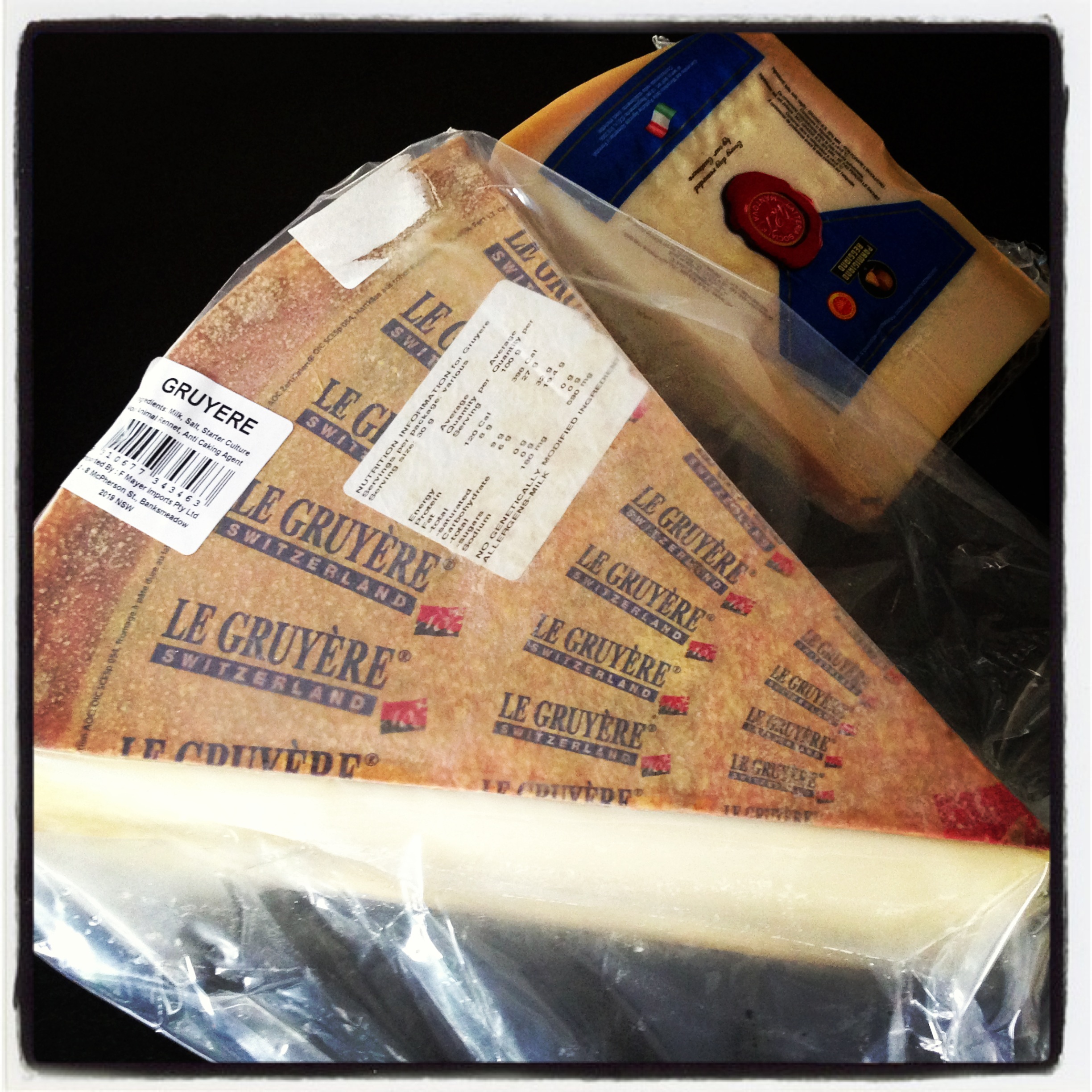
- raw milk cheeses (eg gryuere, reggio). I have blogged about raw milk cheeses here and here.
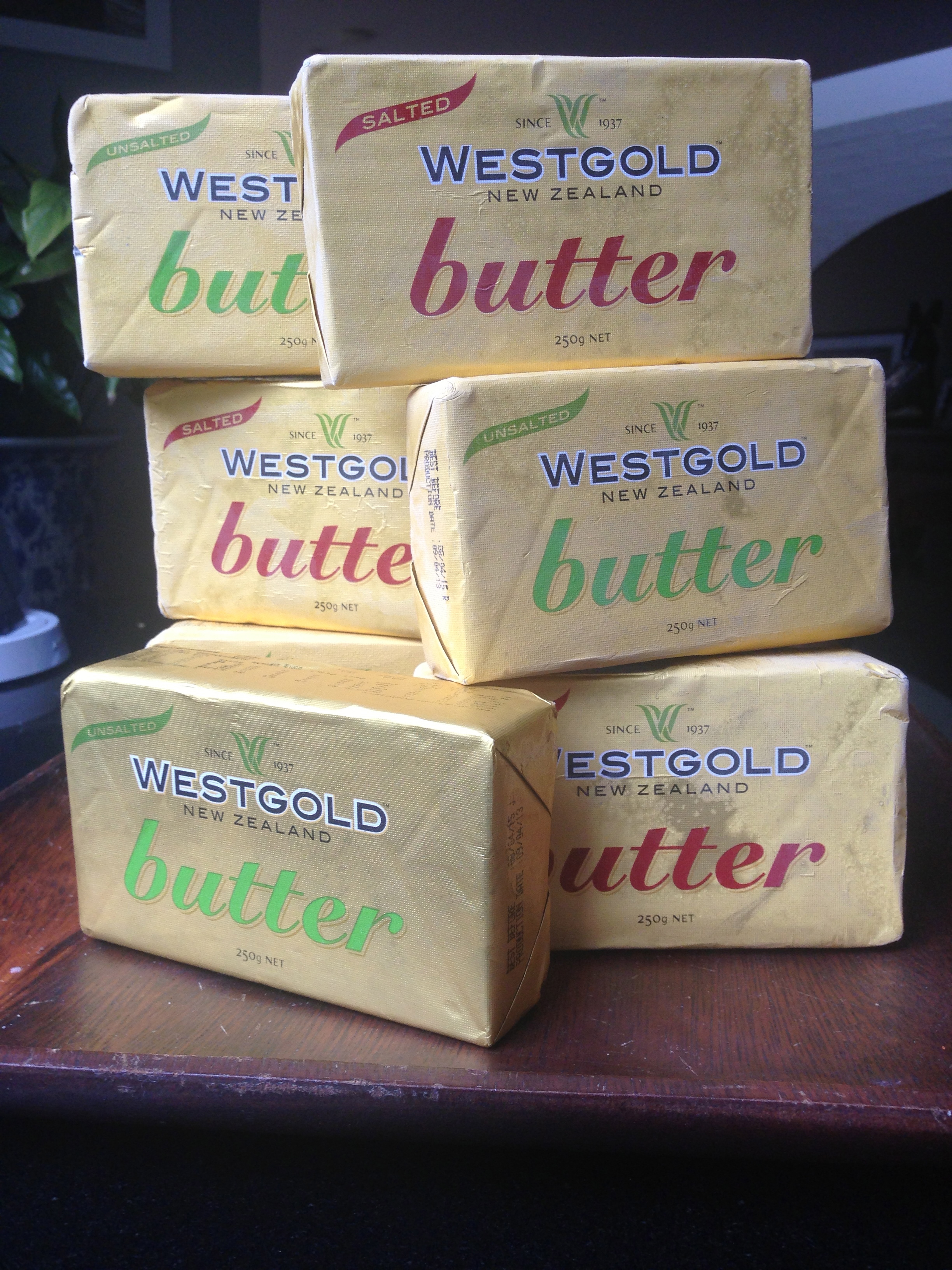
- Westgold butter from Woolworths. This is not certified but I have spoken to the farmer in NZ about his farming practices and he has assured me that his cows are ONLY fed grass, no antibiotics or hormones and the salt he uses in his butter is unrefined. Westgold butter is much much cheaper than the certified organic brands with no difference in quality. $1.98/250g. Bargain. I appreciate and respect the fact that some people will not, for ethical reasons, buy products from a multinational like Woollies not matter how cheap or how good a quality they are.
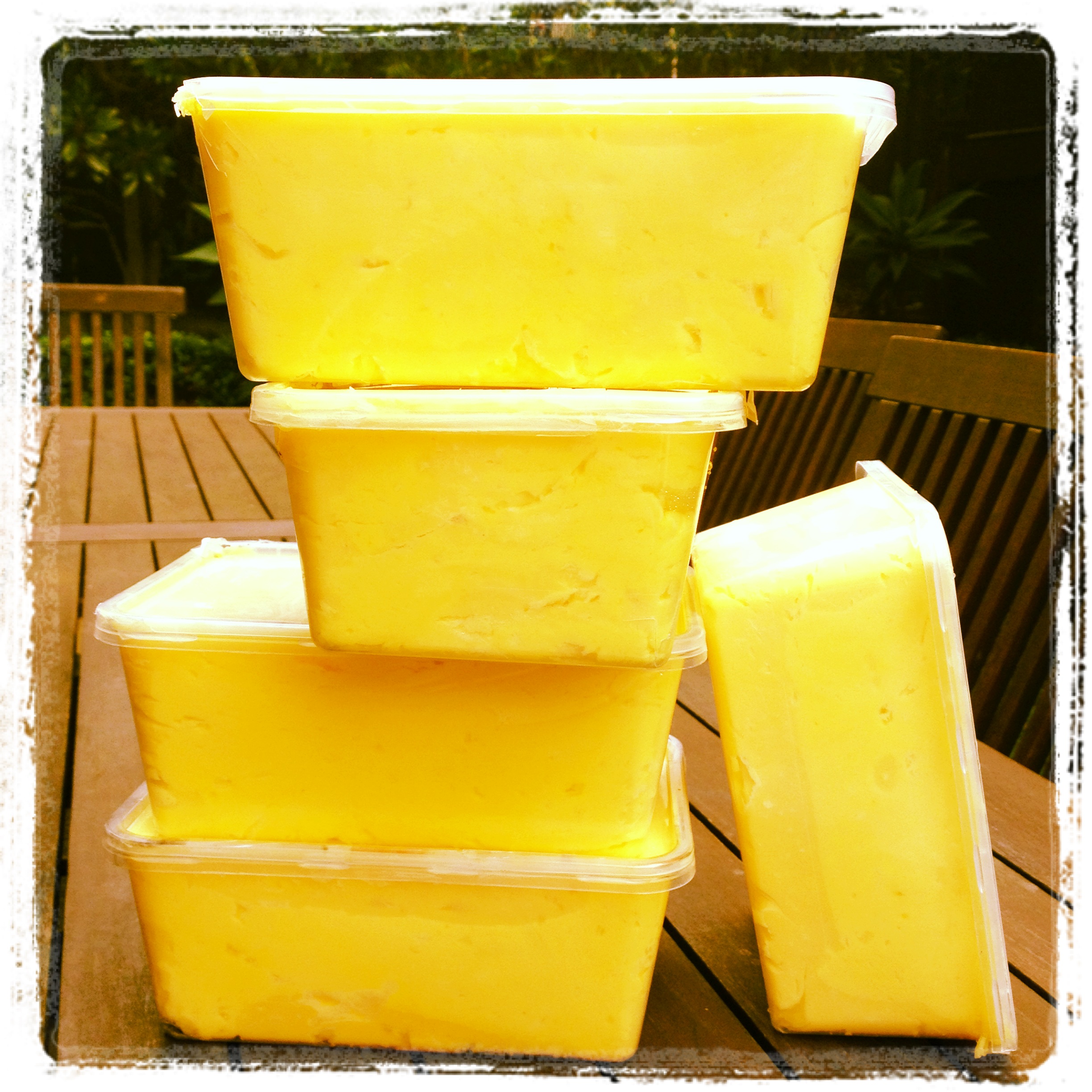
- Gympie farm butter and cream made from cultured unprocessed milk. Undoubtedly the best quality butter and cream in Australia but it's quite expensive ($30-35/kg) so not a daily staple for us.
- pastured meats and bones: the meat and bones I often buy are not certified organic but I have over the years forged great relationships with butchers and farmers who I either now know personally, or have visited their farms or who have given me assurances of the feeding and grazing practises. ie all pasture fed and finished beef and lamb (because we don't want farmers fattening up their grass-fed cows on grains before going to the abattoir). Some favourite farms include Burrawong chickens and Taralga Springs beef. These are not certified but they are as ethical, sustainable and organic (in substance) as you could get.
- wild fish: a wild fish from clean oceans doesn't need certification!
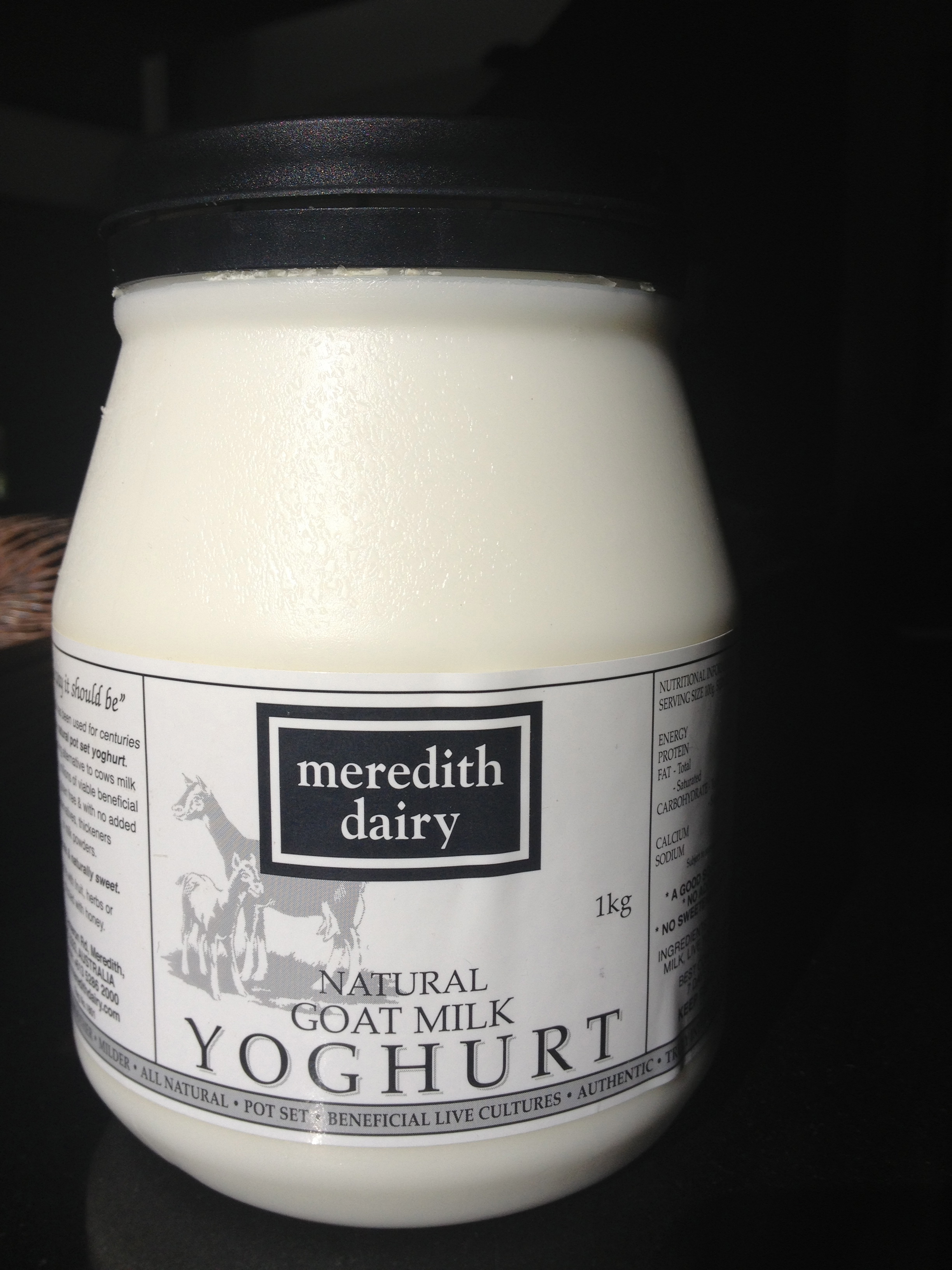
- full fat yogurt containing no sugar, additives or preservatives. A brand I love is Meredith sheeps or goats milk yogurt. All Meredith products are handmade using French farmhouse methods but not certified organic. (Note GREEN LABEL & LID yogurt – is made using Lacto Bacillus Acidophilus & Bifidus (Probiotic). BLUE LABEL & LID yogurt – is made using Greek Lacto Bacillus Thermopilus & Bulgaris. I buy both).
- sea salt: should contain only ONE ingredient- sea salt! Unbleached, unrefined with nothing added in or taken out. Naturally rich in minerals. eg Celtic, Maldon, Sicilian. Himalayan crystal salt is unrefined too.
- produce sold at farmers markets that are unsprayed etc.
- Ayam coconut oil: contains no nasties (eg guar gum and additives) that many of the certified organic brands contain.
- Egganic eggs: The farmers explained to me that even though their farm is not certified organic their farming practices are actually stricter than the certified organic standards eg there are few chickens per square metre. Chicken farmers will almost always feed their chickens grains (in addition to grass, worms, veggie scraps and all of the other things that chickens eat when scratching on pasture). Conventional grains fed to chicken (and livestock) will almost always contain soy and other grains which may be genetically modified if imported. Certified organic grains can NOT by law contain genetically modified ingredients. For this reason the Egganic farmers feed their chickens grains that are certified organic.

Some products that I tend to buy certified organic would be:
- olive oil: practises in olive oil farming have come under scrutiny in recent years as many farmers were diluting their olive oils with industrialised seeds oils like canola oil. Certification provides a measure of comfort that the oil I and my family is consuming is not adulterated in any way. The brand that I recommend and consume is Toscana which is a small family run business in Victoria and provides very reasonably priced cold pressed extra virgin certified organic olive oil. I retail this for $40/1.5 litres from my home.
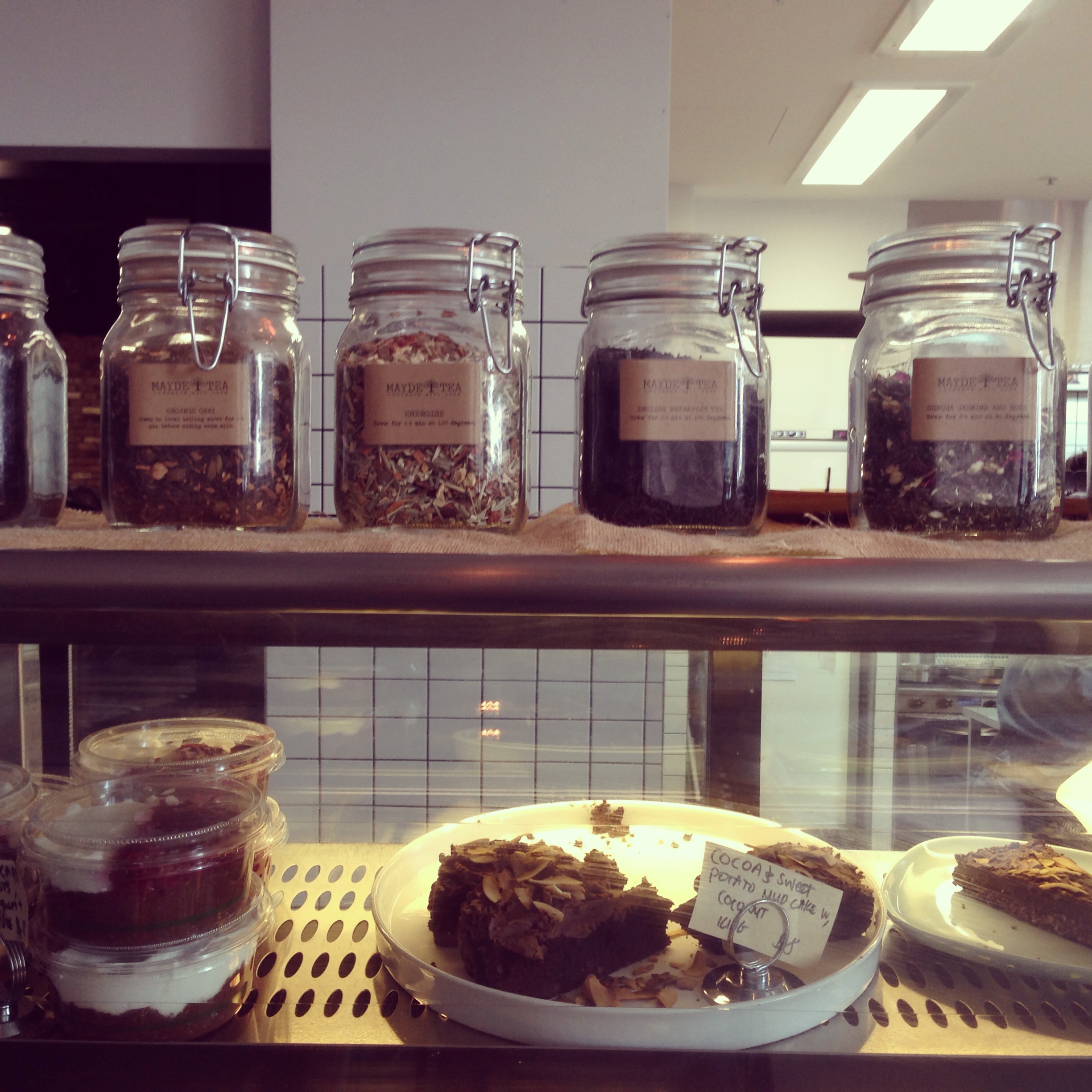
- herbs, spices and teas: convention herbs are almost always irradiated so unless you know the farmer it is best to opt for certified organic. The highest quality herbs, teas and spices in Australia are available at OVViO- the Organic Lifestyle Store at Paddington 5-ways.
- nuts, seeds: like herbs and spices, nuts tend to be almost always sprayed so I always buy certified organic, organic in conversion or get assurances from the farmer that their farm is in substance organic even if it's not certified.
So the bottom line is look beyond the existence or non existence of certification and ask lots of questions about the provenance and processing of what you are putting into your and your family's mouth!