Contact Star Anise Organic Wholefoods
 

Please use the form on the right to contact me!
I will get back to all enquiries as soon as possible.

Soulla x 


123 Street Avenue, City Town, 99999

(123) 555-6789

email@address.com


You can set your address, phone number, email and site description in the settings tab.
Link to read me page with more information.

Blog

This blog started as a way for me to share my recipes + culinary adventures, tips for vibrant health + happiness, thoughts on the latest developments in nutritional medicine + the low down on the Sydney wholefoods scene and beyond...

Filtering by Category: My Thoughts

THE BIG CHILL.....MY 8 FAVOURITE WAYS OF KEEPING WARM OVER WINTER

Guest User

I'm not a fan of the cold. My Mediterranean ethnicity coupled with my upbringing on the balmy Gold Coast has conditioned me for warmth and heat. But over the years I've learnt to shoulder the cold with the following coping strategies that make the colder months a little more bearable:

photo.JPG

1. Hot water bottles. Yep, that good old-fashioned heating method that grandma used. I fill with boiling water and pop into my and my kids' bed a hour or so before sleep time. There are soft covers you can now buy that makes for a cuddly bedfellow!

2. Heat packs. The ONLY time I use a microwave oven and the ONLY reason why I still own one is to heat up my heat pack. I place a glass of water in the microwave when heating my heat pack for safety reasons in case the heat pack overheats and catches fire. I lay the hot heat pack lengthways down my spine from the base of neck and lie over it in bed before falling asleep. It's a great way to instantly feel warm and a lovely chest opener to counter the effects of all of the forward motions we do all day. Especially great for breastfeeding mums! Seed Clothing sells cute little heat packs for little people (pictured).

3. Thermals. I buy woollen thermal tops and bottoms from Target each winter. Can be used as outerwear, underwear, PJs etc.

4. Flannelette sheets: these make a massive difference to keeping warm in bed. The new range of plain-print brushed-cotton sheets are a far cry from the  hideously-printed versions I grew up with.  Chemical-free flannelette sheets that are very affordably priced and can be purchased from Ecodownunder.

5. Hot baths and showers before bed. I can't sleep for life or death if I'm even slightly cold not matter how tired I am. If you don't have  a water filter attached to your bath to remove chlorine (or if your bath - like mine  can't accommodate a water filter) then consider purchasing a bath ball dechlorinator to remove chlorine which can be purchased from  iherb for $35. Simply stick ball in bath, fill bath, allow to stand for 5 mins, remove ball then stick in kids (or yourself!). Replace ball annually. I also add 1/2-1 cup of Epsom salts to the bath for mineral (esp magnesium) aborption and a few drops of lavender essential oil for a calming effect

6. Put on an extra layer of clothing before turning on heating but if you must turn on heating do NOT use an unflued gas heater. i.e. the portable ones with a gas hose that you plug into a gas bayonet to heat your house. A few months back I read a research paper issued by NSW Health (dated 3/3/11) on the dangers of unflued gas heaters. The upshot is that:

(A) Gas heaters produce heat through burning gas fuel. When gas fuel is burnt, air pollutants are produced and released directly into the room.

(B) The air pollutants released are carbon monoxide (which deprives body of O2, impairs thinking and reflexes) and nitrogen dioxide (which can cause irritation of the respiratory tract and shortness of breath). Children, unborn babies and elderly are more effected.

As my integrative GP Dr Min Yeo wrote to me, if you have an unflued gas heater  "get rid of it IMMEDIATELY! They are horrendously toxic and poisonous! You will have chronic carbon monoxide poisoning amongst other toxins. They are banned in Victoria with good reason."

Flued (fireplace) gas heaters, electric heaters or central heating (while they do have a dehydrating/ drying effect on the body) do NOT have this problem of toxicity.
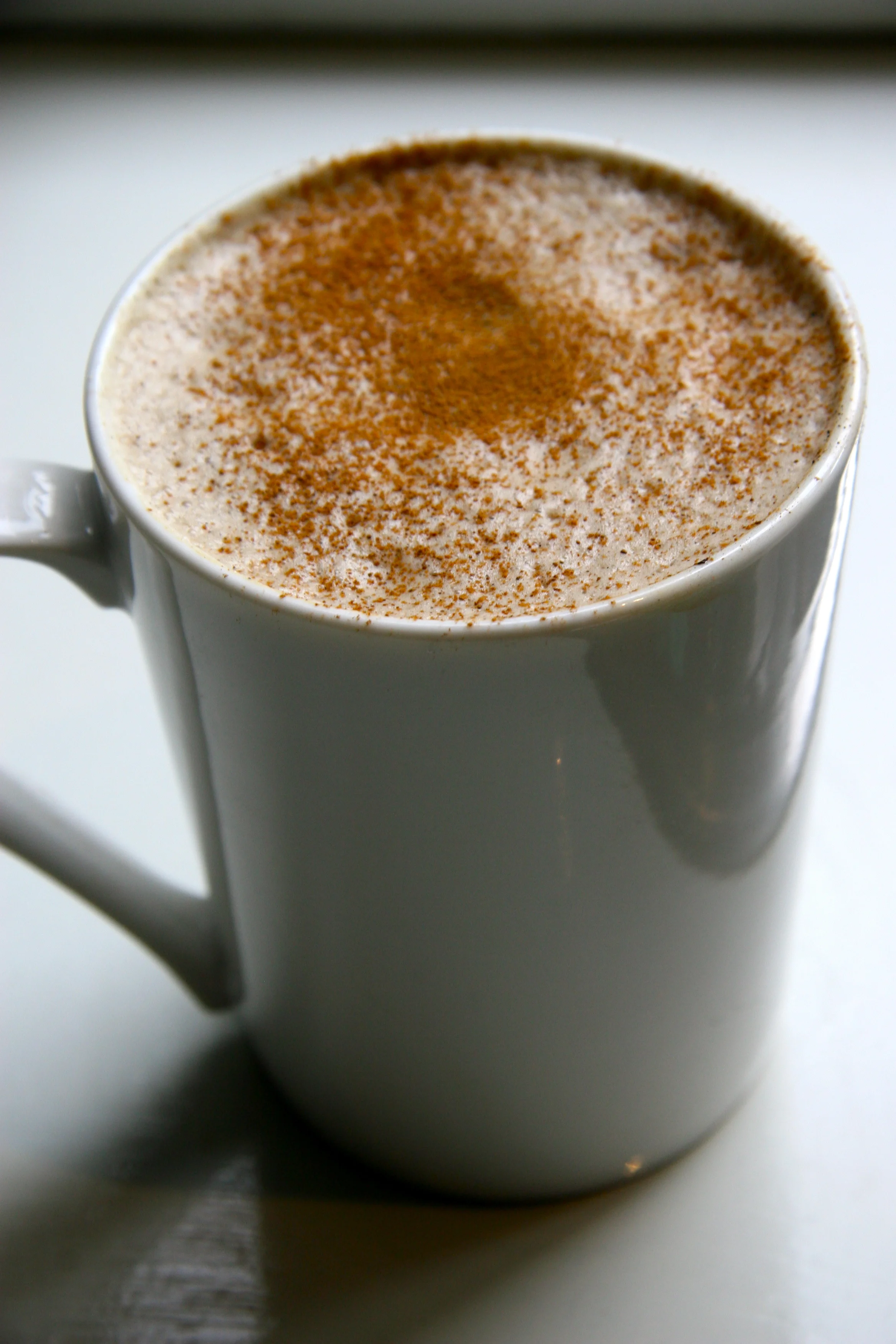
7. Hot drinks. Dust off the old fashioned thermos container, fill with home-made stock, hot water or herbal tea and sip away all day. Click here to read about my favourite hot drinks.

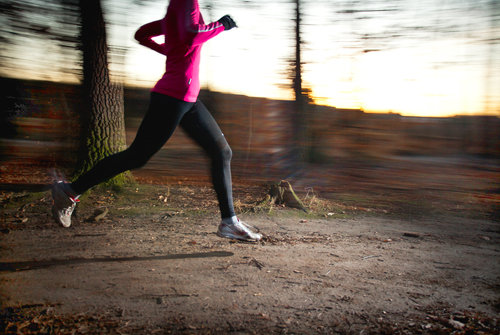
8. Move. High-intensity interval and strength training gets the heart rate going, the blood pumping and heats the body. Not to mention the feel-good endorphins that are produced that buoy the spirits at this naturally dreary time of year. Releasing (via foam rollers and small balls that trigger pressure points) and stretching (eg yoga) are equally  important in this weather as muscles tighten and everything contracts. If you're looking to train at a gym a few that I have been to and can highly recommend are Centennial Health Clubat EQ Moore Park where I currently train ($25 per week for unlimited classes- say I referred you!), Primal Fitness at Double Bay (specialising in one on one PT sessions) and Origin of Energy at Bondi Junction (specialising in group classes). If you are self-motivated you could d0 your own sprints at a park or beach or up some hills (anything that provides resistance is preferable) and even better is to get a group of friends to join. If you've got kids in tow and can't make it to a gym or class you might like to read one of my earlier posts here about suggestions for movement while mothering.
The New Food Pyramid Has Been Updated And It's A Step In The Right Direction But There’s Still A Way To Go!

Guest User

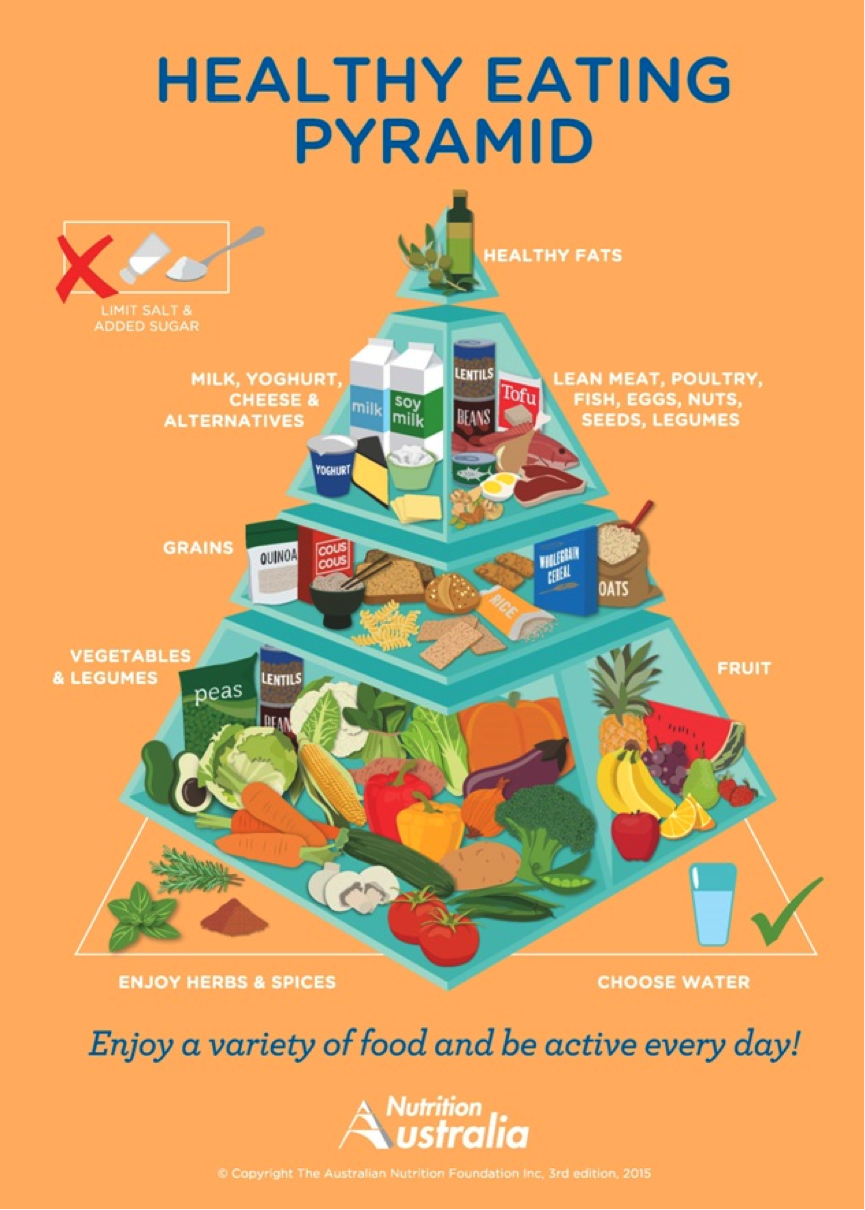
Nutrition Australia this week updated its iconic Healthy Eating Pyramid for the first time in 15 years purportedly in an effort to “combat growing nutrition confusion and risky fad diets.”

The new pyramid recommends eating from six core food groups every day: 1. vegetables and legumes, 2. fruit, 3. grains, 4. dairy products, 5. meat, eggs, nuts and seeds, and 6. healthy fats. It also encourages enjoying herbs and spices, drinking water and limiting added salt and sugar.  

The previous Pyramid grouped all foods in three layers: The Eat Most layer containing plant-based foods (fruit, vegetables, grains, nuts and legumes); the Eat Moderately layer containing dairy foods (and dairy alternatives) and meat (and meat alternatives); and a small top layer with added fats and sugars.

What I like about this new updated pyramid:

  • I like the explicit reference to herbs and spices. Indeed herbs and spices are ranked as the 2nd most nutrient-dense food group on the planet behind organ meats according to the LaLonde nutrient-density scale (ref: Chris Kresser, The Paleo Cure).
  • I like the focus on drinking water as your main drink. Hopefully this will discourage the consumption of sports drinks, juices and energy drinks, particularly among children. 
  • Hooray that grains have lost their status from the ‘to be eaten most‘ bottom layer. They definitely should NOT form the bulk of the human diet. 
  • I like the acknowledgement of eating a wide variety of foods especially the references to non-gluten grains like soba noodles (which are usually made from buckwheat but be sure to check the ingredients say 100% buckwheat) and quinoa. Hopefully people will see that there’s more to life than just gluten. 
  • I like the strengthening of “limit added sugar” message. Hopefully this will be seen as a clear message to cut out junk food and sugary drinks (a reminder to parents that junk food is called precisely that for a reason: it is not a treat but a punishment for young bodies).
  • I like the blanket avoidance of trans fats. They are banned in most of Europe for good reason. Trans fats are contained in margarine and many packaged foods especially conventional biscuits and smothered on popcorn at cinemas.  Rethink your snacks!


WHY THERE IS SO MUCH WORK STILL TO BE DONE =

O N E


There is NO regard to the source and processing of food. Not all veggies, fruit, grains, dairy products, meat, salt, herbs, spices and water are nutritionally equal. There is a world of difference between:

a. Sprayed produce, herbs and spices grown in petro-chemically fertilized mineral-depleted soil, and those that are not sprayed and grown in mineral rich soil

b. Industrial feed lot/grain-fed animals versus pastured animals reared outdoors in sunshine on mineral-rich pasture under sustainable farming methods 

c. Farmed seafood versus farmed seafood. Read more about that HERE.

d. Table salt which is stripped of all minerals, bleached and toxic to the human body versus unrefined salt such as sea salt or Himalayan crystal salt which are mineral-rich and essential for good healtH

e. Tap water which contains fluoride, chlorine and heavy metals versus purified water.

f. Grains, legumes, seeds and nuts that have not been properly prepared to remove phytates versus those that have been properly prepared 

g. I could go on and on here but you get my drift...! 


T W O

Demonisation of saturated fats. The pyramid encourages us to choose “polyunsaturated and monounsaturated fats from plant sources, such as extra virgin olive oil, nut and seed oils” and “to limit saturated fat”. While I am a big fan of extra virgin cold pressed olive oil (especially as a finishing oil on salads and veggies) there is now an abundance of scientific studies that have exonerated saturated fats, from natural sources, from being associated with heart disease, raising cholesterol levels and clogging arteries. The Australian government urgently needs to pay attention to the latest robust science and acknowledge that not all saturated fats are created equal . Yes trans fats are to be avoided like the plague and I salute the government’s stance in that respect, but saturated fats from natural sources are essential to our health for a host of reasons.  The reference to “lean” meat is sending people the wrong message. The picture of Healthy Fats should really include traditional fats like butter, cream, fat on pastured meats, coconut oil etc. Instead there should be a blanket prohibition of the industrialized seeds oils like vegetable oils, canola, cottonseed, rice bran oil, sunflower oil etc. There is an abundance of evidence that these are toxic to the human body and their high omega 6 content has a very pro-inflammatory effect on the body.

T H R E E

Demonisation of salt. Not all salt is created equal as I mentioned above. While table salt is unhealthy in every respect, unrefined salt is full of trace minerals and essential to our health. Chris Kresser wrote an in-depth series on salt for those who are still skeptical which you can READ HERE. Given that the masses are still eating refined/table salt then perhaps a ‘limit salt’ message is not a bad thing.


F O U R

The inclusion of soy foods like soy milk and tofu is problematic. Unfermented soy products like tofu and soy milk have numerous negative health implications especially on hormones. Small amounts of long fermented soy products like tamari, tempeh, miso are ok for those without digestive or hormonal issues. You can read more about my views on soy in my blog HERE

F I V E

Grains and legumes should have a much much smaller role to play (if any) in the human diet. They were introduced into the human diet a mere 10,000 years ago which is a tiny blip on the timescale of human evolution when our genes were set on a hunter-gatherer diet 2.6 million years ago. As a staple food, gluten grains cause numerous health implications. The occasional consumption of properly prepared (eg soaked, sprouted, fermented) legumes and non-gluten grains is acceptable for those without digestive issues.  This should be at the very top of the pyramid. Grains and legumes coming from a tin are certainly not properly prepared and shouldn’t be included in the pyramid! 


S I X

It is not clear whether the foods are grouped by calories or their volume on a plate. Obviously vegetables will typically take up more ‘plate real estate’ than animal products because they are far less calorically dense. However in terms of calories, animal fats are more calorically dense than plant matter so the bulk of our calories should typically come from saturated fats (from natural sources) as opposed to plant matter. The pyramid is giving us the strong impression that we should be getting the bulk of our calories from plant matter. While plant matter is indeed important, animal products (properly sourced) are of vital importance especially in growing children and pregnant woman. Plant matter is very cleansing and detoxifying whereas animal products are fortifying and building. Children and fetuses need to grow more than to be cleansed.
 

S E V E N

It is a pipedream, but the foundational foods are missing: bone broth, lacto-fermented foods and organ meats. These 3 categories of powerful nutrient-rich health-promoting foundational foods that sustained the human race for millennia have lost their way from the modern table. And this is, in my opinion, one of the reasons contributing to our degenerative demise as a species.  One of my missions in life is to bring these foundational  foods back to the modern table through my cooking workshops, the proper preparation and sale of these foods, and education via private health coaching sessions and blogging. 


I think that the new pyramid is a step in the right direction by its concerted effort to encourage people to choose whole foods and minimally-processed foods and drinks.

If you were to ask me to construct a food pyramid I would adopt something like the ones below crafted by Nourishing Hope or Chris Kresser. Of course, any food pyramid is generic and needs to be adapted to suit individual needs of each person, which is what I do in my private nutritional consultations.


What do you think about the new food pyramid??

Please leave your comments below!

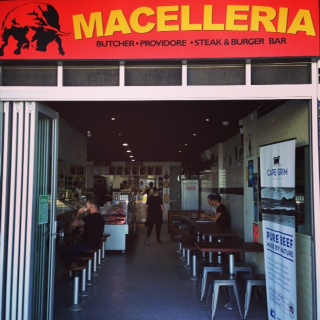
Macelleria - The Paleo Steak & Burger Bar at Bondi Beach

Guest User

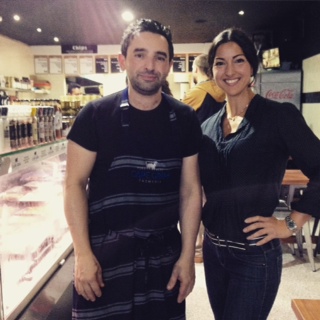
Macelleria (which means “butcher shop”) was born in January 2015 from a desire by French / Lebanese owner Peter Zaidan to take the now closed butchery/salumeria La Macelleria (which he operated just around the corner in Curlewis Street) to “a whole new level”.  In a recent interview with him, Peter told me that he “wanted to showcase quality meat on a finished scale and make the best cuts of meat accessible to the masses at a fraction of the price that they would pay in a restaurant.”

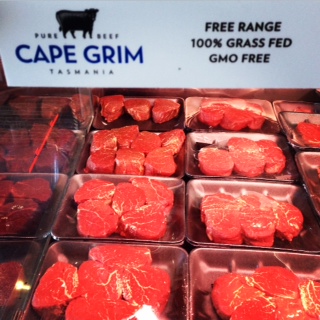
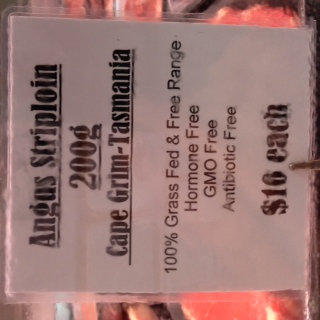
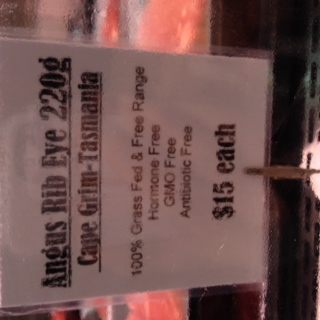
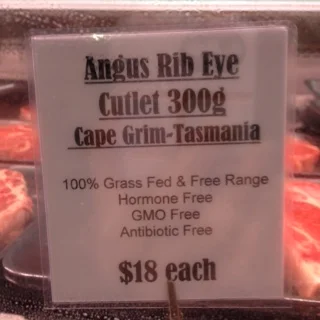
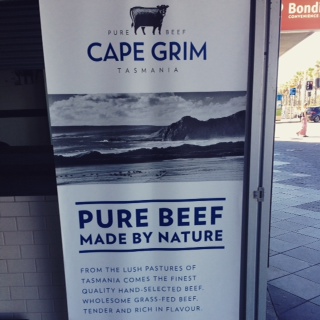
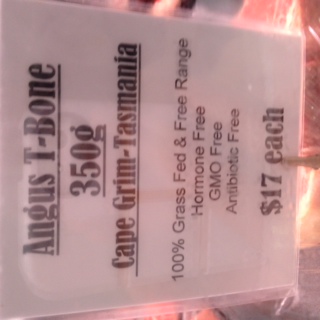
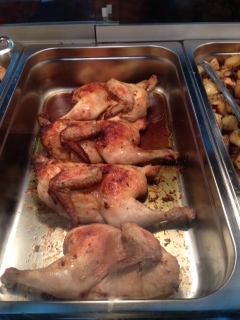
On offer is grass fed and finished steaks and burger patties from Cape Grim in Tasmania along with some grain fed meats.  There is also half or a quarter of a butterflied free-range chicken. All meats and poultry are antibiotic and hormone free. All the food for the main meals is prepared in-house.

Macelleria is located smack bang in the heart of Campbell Parade near Hall Street across the road from iconic Bondi Beach. It has a very casual walk-in-from-the-street-or-beach vibe. Swimmers and thongs are totally acceptable (if not mandatory in summer). There is no menu. The various burgers are written on the back wall. You simply choose between a burger, or a steak, or the cooked chicken. You then sit in a booth or on a bar stool and breathe in the ocean air.

The burger patties are made from 3 different cuts of grass fed and finished Cape Grim meat without any off-cuts, trimmings, binders or fillers- just 100% meat. The buns are made from unbleached organic flour (or you can ditch the bun altogether if you want a grain free option) and sweetened with honey. I asked Peter if he intended to move to sourdough as opposed to yeasted bread but he dismissed the idea. 

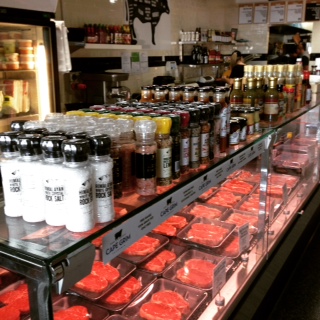
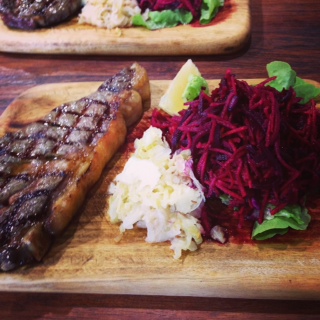
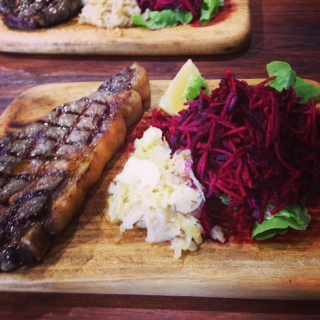
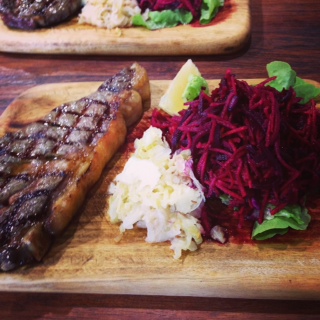
If you opt for a steak (like I did), you pick the exact cut of meat you want from the selection of fresh uncooked meats laid out in the counter (exactly like a butchery) and the way you want your steak cooked (e.g. rare, medium). This is what makes the place unique- being able to choose your piece of steak and getting them to cook it for you! Much like those Chinese restaurants where you choose the lobster or crab from the fish tank as the subject of your meal. 

To accompany your steak, you have a choice of salads or roasted vegetables. 

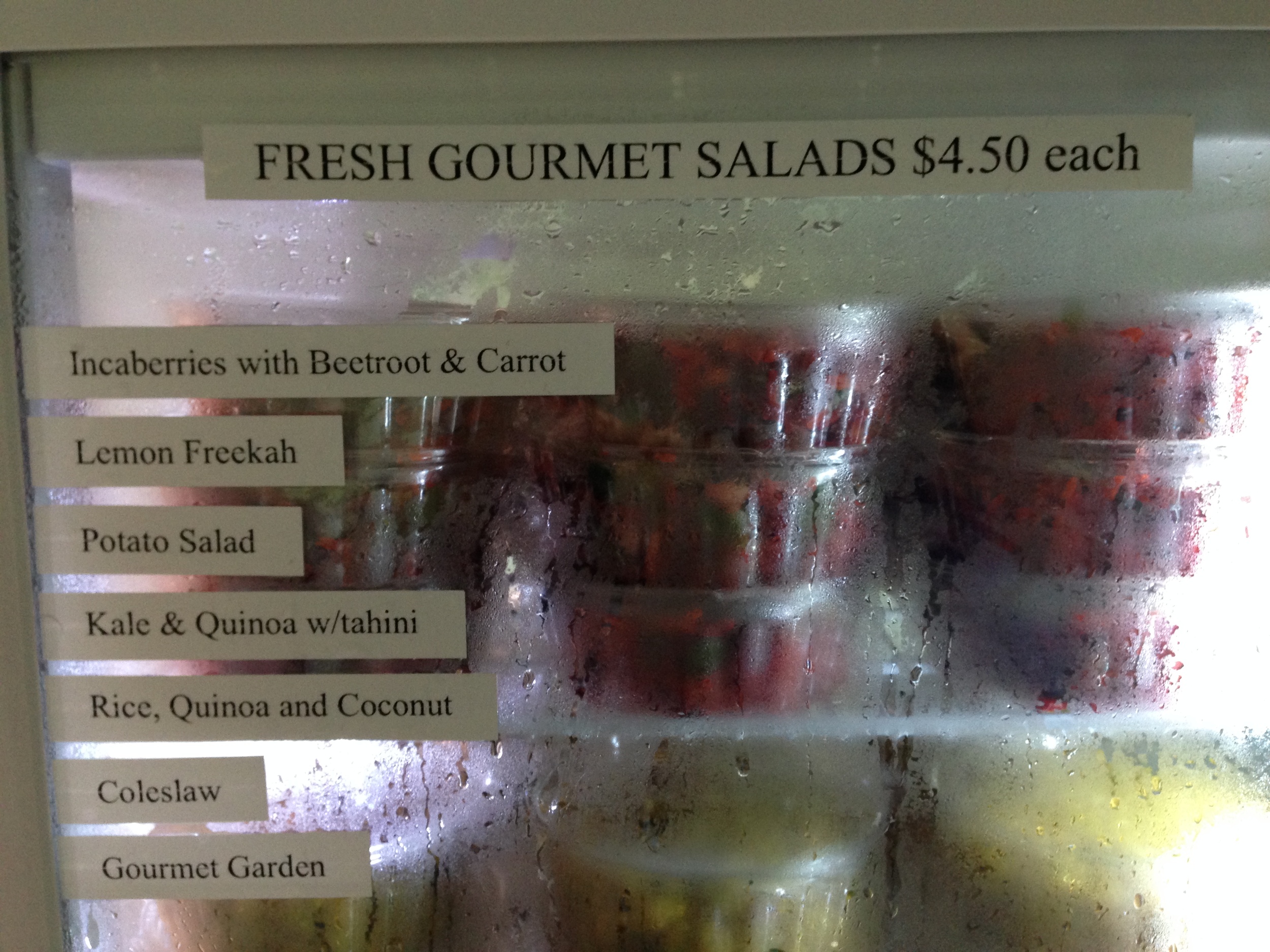
The salads are $4.50 each. The beetroot, incaberry and carrot salad was amazing. Sauerkraut (fermented cabbage made on premises) can be included as a condiment and is also included in some of the burgers. 

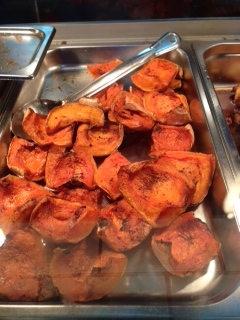
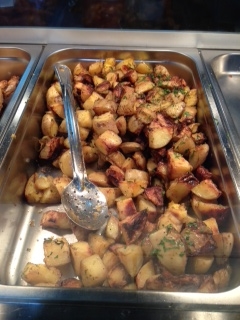
In terms of the roasted vegetables, this is what you need to know. The steakhouse potato chips and sweet potato chips are deep fried in sunflower oil. While Peter appreciates the adverse health implications of industrial seeds oils (of which sunflower oil is one) and said that he would prefer not to use a seed oil, he couldn’t find a practical cost effective alternative. [Anyone feeling entrepreneurial step this way!]. The good news is that as an alternative Macelleria offers roast potatoes and sweet potatoes cooked in olive oil and/or Pepe Saya ghee. High 5! So make sure you ask for those ones!

A piece of 200g grass fed Angus striploin steak ($10) cooked rare, with salad and kraut ($4.50) set me back $14.50 in total. Excellent value for a nutritious meal I’d say!

The cuts of steak and types of salads on offer change frequently depending on what is available.  

Cups of beef bone broth (stock) made from Cape Grim beef bones are sold for $8. They didn’t have any stock available when I was there so I can’t comment on that. 


You can buy any of the fresh uncooked meat to go (as per a butchery) as well as a selection of cold cured cuts and some cheeses. In the fridge is Spring Wellness gluten-free sprouted bread and coconut water along with conventional drinks and soft drinks. Packets of biltong are found on the counter for a take away snack. 

If you pick and choose from the options wisely, it is definitely a place I would recommend and happily go to, especially if you wanted a quick, casual, dine-in or take-away, affordable, nutritious meal reminiscent of home.  And more than that, this is a place that I would take (and have taken) über health-conscious friends.  


Ok, so what I mean by choosing from the options wisely is this:

1. I personally would go for the grass fed and finished steaks (as opposed to the grain fed ones)

2. I would ditch the yeasted bun if opting for the burger

3. I would opt for the veggies roasted in olive oil and ghee as opposed to sunflower oil (or just have a salad)

4. I would definitely have the side of sauerkraut!

5. I would need to do more due diligence on the cured meats before I bought those

6. I would steer clear of the salmon as it would be farmed. Read my blog post here for more about farmed versus wild seafood.

On the 2 occasions I ate there recently (for lunch and dinner), I was super impressed by the quality, taste, meal size, presentation, fast service, and friendly and helpful staff (yes they happily indulged my 247 questions!). 

Macelleria is open 7 days, 10am until 9pm, for lunch and dinner (though they had no qualms in keeping the place open well after 9pm until we finished our meals -  a nice gesture of going the extra mile).  

Peter says that there are no plans to open further stores at this stage. I’m tipping that this steak and burger bar is sure to be a hit with tourists as well as health-conscious locals. Peter tells me that Chef Pete Evans pops in for a burger on occasion. While I can’t guarantee that you will bump into Pete Evans, I’m pretty confident that you will enjoy your meal!