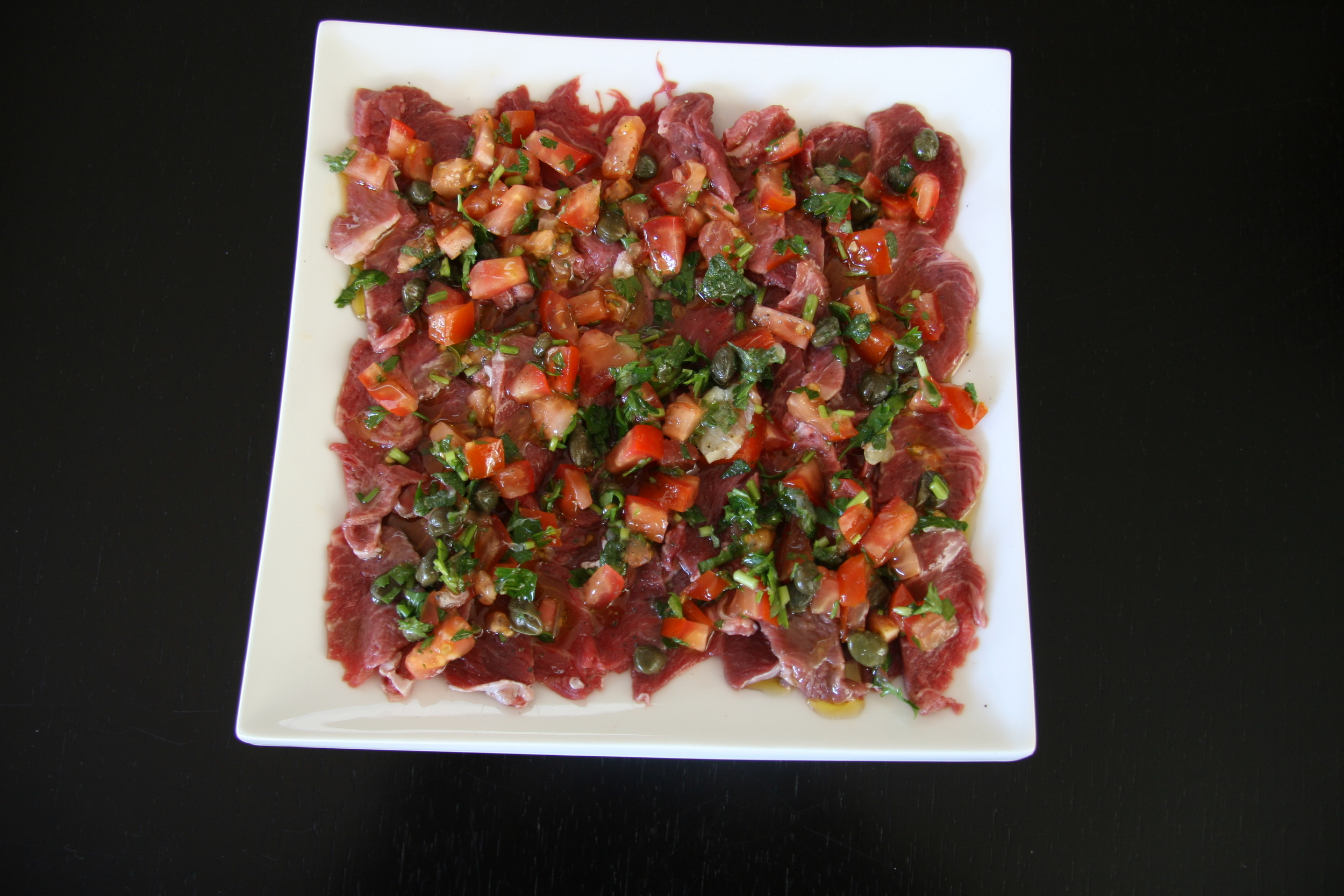
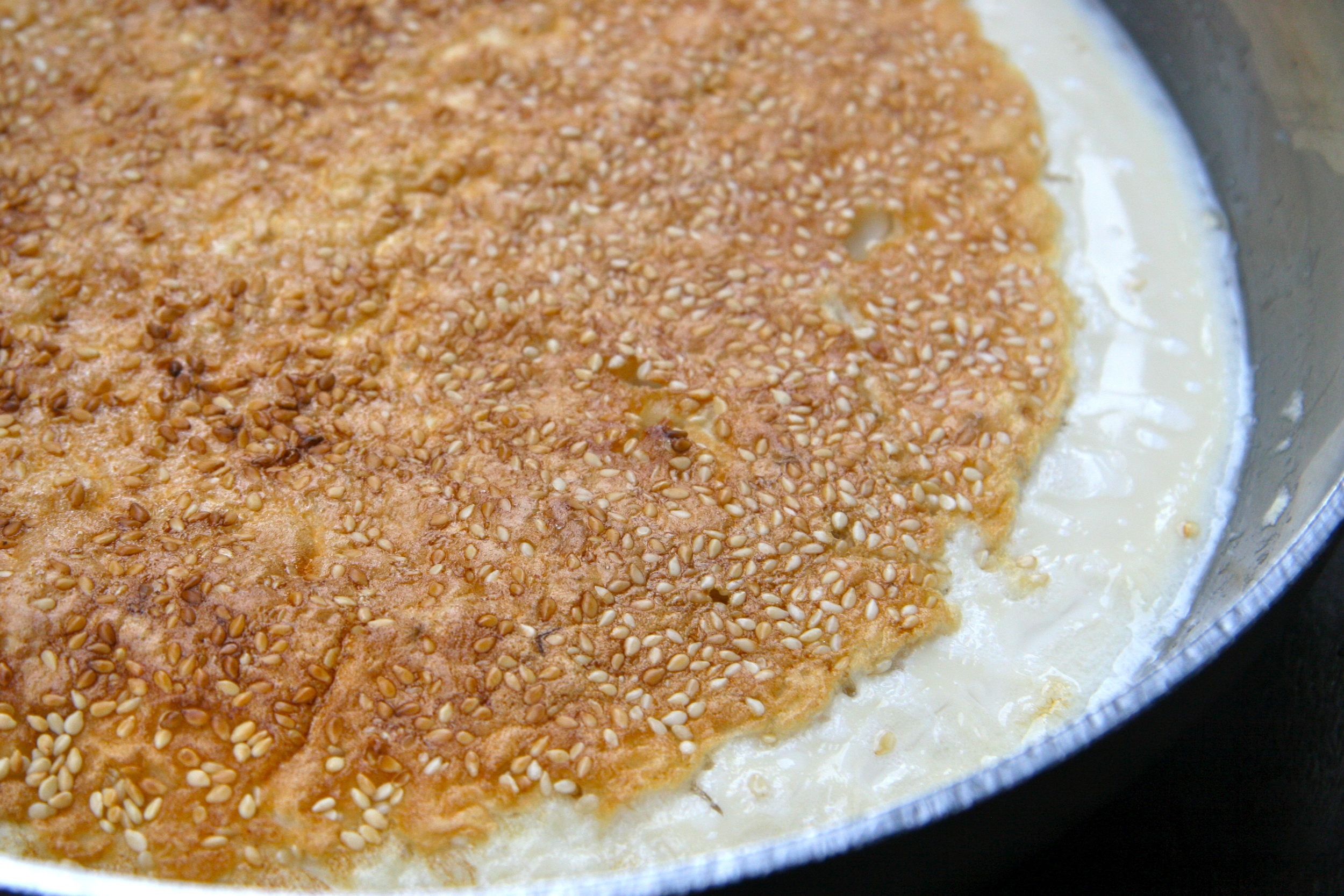
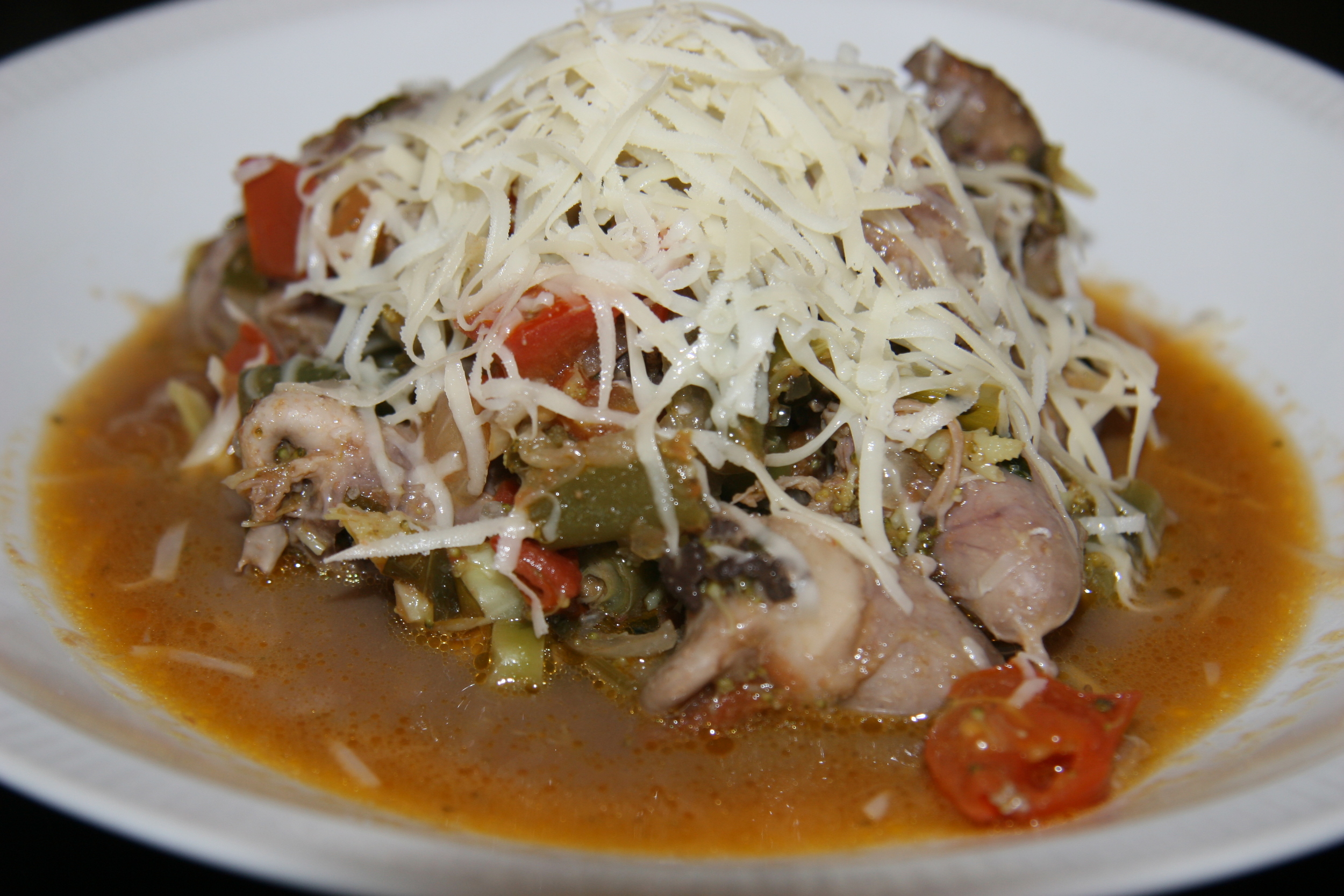
In this post I'm going to talk about the different ways of cooking meat followed by a few key principles I've learned over the years when buying and preparing meat. I've included some (very amateur) photos of various meat dishes I've prepared for my family over the past month to illustrate the diversity of meat dishes that can be enjoyed! I'm not going to discuss at any length the nutritional benefits of eating meat as most of you who subscribe to or read my blog would already be well appraised of this.
Meat can be eaten in various ways:
A casserole or stew involves cooking meat submersed or partially covered in liquid (usually a combination of stock, water and wine) in a covered pot in an oven (or stove top) or slow cooker with or without vegetables for a long period of time at low temperatures. Slow cooked casseroles are excellent ways to cook naturally tougher (and cheaper!) cuts of meat on the bone like osso bucco, lamb shanks, goat, rabbit, chump chops and loin chops. During the long slow cooking process the interconnective tissues of the meat are broken down making it tender enough to eat. Where possible buy meat on the bone as it is more flavoursome and nutritious as all of the minerals and other nutrients come out of the bone and into the liquid during the long slow cooking process.

The naturally more tender cuts of meat (ribs, lamb shoulder, lamb leg, chicken, prime cuts including eye fillet steak, scotch fillet steak, t-bone steak, sirloin steak) are generally not made into casseroles to be enjoyed but instead are either pan-fried (eg steak), stir-fried (eg beef strips), eaten raw (eg eye fillet as beef carparcio or minced or diced as in stark tartare), braised (where only a small amount of liquid is added to an uncovered pot in oven eg shoulder, whole leg, ribs), baked (cooked in oven covered without liquid eg fish) or roasted (cooked in oven on baking tray uncovered without liquid eg whole chicken, lamb leg).


BBQing is typically done at much higher temperatures than what is recommended which is why I dont recommend it for frequent consumption. If you are BBQing meat yourself, ensure temperature is at 120 degrees or lower.
My 7 key principles for buying and cooking meat:
1. buy grass-fed and finished meat as it is more nutrient-dense especially in omega 3 fatty acids and CLA (which are virtually non-existent in grain-fed meat), ethical (in terms of animal welfare), environmentally friendly and more flavoursome. Pasture (grass) is the natural diet for cattle whereas grains are not. Ask the butcher if the meat is not only grass-fed but also finished meaning that the cattle are not given grains prior to going to the abattoir in order to fatten them up. Recommended places to purchase grass fed and finished meat are: GRUB, Hudsons Meats, David Jones Food Hall, Feather & Bone and Abundant Organics. In Melbourne there's Rendinas butchery. On the Gold Coast there's GJS Organic Meats (corner of Olsen Ave and Central Street, Parkwood, ph 0755912423). (These are the only 3 cities I spend any significant amount of time in so apologies to those who live elsewhere!).

2. buy wild as opposed to farmed fish. Farmed fish (like feedlot cattle) are given an unnatural diet of antibiotics, soy pellets and are often colour-dyed to change the colour of their flesh. Ask fish monger if the fish are not only wild-caught (which start off in hatcheries before being released into the ocean just prior to being caught) but wild from the outset. To my knowledge there is only one supplier of wild salmon in Australia- The Canadian Way.
3. buy the whole of the animal where possible and ask butcher to cut it up into small pieces if desired. Eg buy a whole chicken as opposed to chicken marylands or wings, or a whole snapper and ask the fish monger to fillet it and use the head and frame for making a fish stock. This is more economical (eg a whole chicken or fish is cheaper per kilo than chicken breasts or wings or fish fillets), more sustainable (as the butcher is not left with less popular cuts of meat that he can’t sell), more ethical (as the whole of the animal is being used and not wasted) and more nutritious (as you are getting into the habit of eating all different parts of the animal as our ancestors did which provides a more complete meal and nutrition profile. This will force you to expand your cooking repertoire by cooking and eating cuts of meat you wouldn’t normally buy). Some butchers have a cow/lamb/pig share program where a number of customers share in a whole animal which makes the meat even cheaper on a per kilo basis.
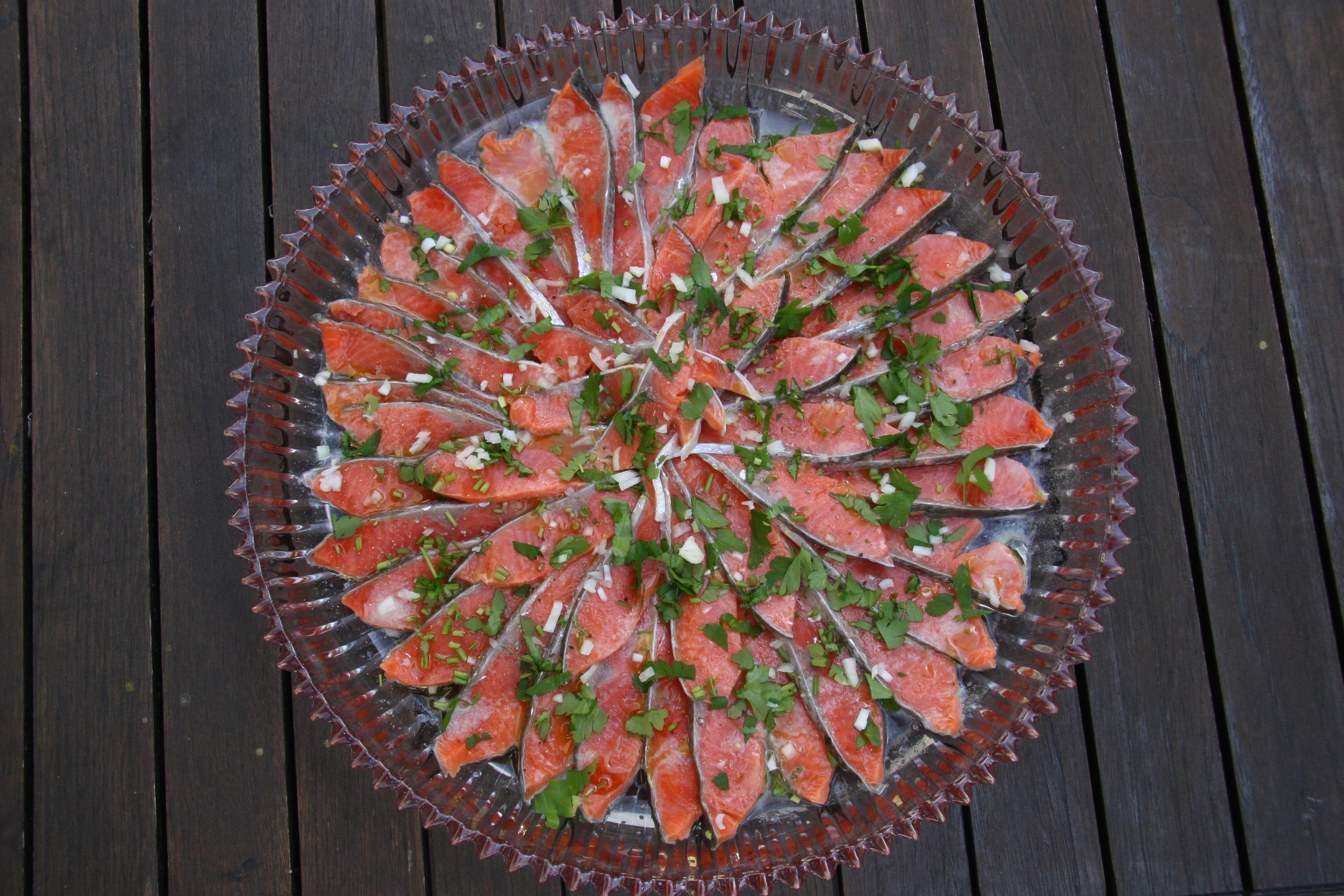
4. cook meat in good quality saturated fat (which is more heat stable/ has a higher smoke point than monounsaturated or polyunsaturated fats) when pan-frying, stir frying or BBQ-ing meat eg coconut oil, butter (not margarine or spreadable butters!), or fat from grass fed animals (eg beef tallow). Use olive oil as a last resort (eg in a restaurant if they can't cook in butter, coconut oil or beef tallow). For stews, braises, roasts, casseroles or raw meat dishes, you don’t need to use any fat to cook/prepare the meat- the fat on and in the meat itself is all that is needed (these are good options when eating at a restaurant).

5. cook at low temperatures (of 120 degrees or lower) for a longer period of time (long slow cooking) to maintain nutrients and enzymes, to prevent the meat from becoming tough and chewy, to prevent the fats from oxidizing (and forming into free radicals which can cause cancer and other degenerative diseases) and to prevent the muscle protein from denaturing. If frying meat on the stove top use the smallest eye on the lowest setting. If the oil or butter spits, sizzles or turns brown, the temperature is too high. When cooking a steak opt for blue, rare or medium-rare (the more rare the better!). For casseroles and stews a slow cooker on low setting is fine as an alternative to an oven. Oven temperature settings are often inaccurate so use an oven thermometer if in doubt to check the accuracy of your oven temperature.

6. eat muscle meats together with gelatinous stock to aid in digestion of the meat. Gelatinous broth and muscle meat naturally come together in a slow cooked stew or casserole. So be sure to consume the gelatinous liquid at the bottom of the casserole, stew or braise. If having a fillet steak, a stir fry or eating meat raw, just heat up some stock separately to consume during the meal.
7. try to eat a combination of raw as well as cooked meat and try to eat meat cooked in various ways. This not only will expand your cooking repertoire but will add diversity to your meals. Raw meat has the advantage of all of the enzymes remaining intact which are often destroyed in stove top cooking. The acidic medium in which raw meat is marinating in aids to ‘cook’ the meat and kill any parasites that may be in the meat. Eat a combination of red meat, white meat and seafood. Red meat is more nutrient-dense and has a better omega 3/6 ratio than poultry so should be eaten more frequently than poultry. Wild fish and shellfish have certain nutrients not found in land animals (or not in the same abundance) and can be eaten as often as you like.