Contact Star Anise Organic Wholefoods
 

Please use the form on the right to contact me!
I will get back to all enquiries as soon as possible.

Soulla x 


123 Street Avenue, City Town, 99999

(123) 555-6789

email@address.com


You can set your address, phone number, email and site description in the settings tab.
Link to read me page with more information.

Blog

This blog started as a way for me to share my recipes + culinary adventures, tips for vibrant health + happiness, thoughts on the latest developments in nutritional medicine + the low down on the Sydney wholefoods scene and beyond...

Introducing Dr Aushi Patel: Holistic Dentist

Guest User

Dr Patel may need no introduction for those of you who have been following my FaceBook or Twitter posts or who I have seen as clients during my health coaching sessions. But for many people I am frequently asked “Soulla, what dentist do you use??”

Dr Patel is the owner of Biocompatible Dentistry in Pitt Street, Sydney, a practice which was first introduced to me by my friend and natropath Anthia Koullouros almost 10 years ago. Aushi has extensive knowledge of the work of Dr Weston A Price who himself was a dentist and who did some ground breaking work in early 1900’s regarding oral bacteria and general health. Aushi believes that a healthy mouth requires good nutrition. Needless to say, we are on exactly the same nutritional and lifestyle page.

Aushi is passionate about biological dentistry and works closely with some of the country’s leading holistic practitioners (such as holistic doctors, naturopaths, acupuncturists, chiropractors and osteopaths) to provide an integrative approach and awareness of the intimate relationship between oral and general health. Her guiding philosophy is to look “beyond the mouth” for the underlyingcauses of issues in the mouth. Preventionminimal intervention and patient education are the foundations of her practice.
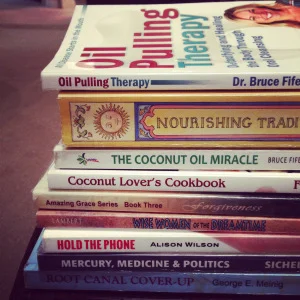

Her practice is completely fluoride-free, chemical-free (other than those mandated by her profession), only uses filtered water, and the books that adorn the coffee table (pictured) are a familiar sight to many followers of my blog.  A carefully chosen selection of natural toothpastes, mouthwashes and oral care products are available at the practice.

Aushi trained at the Kings College School of Medicine and Dentistry in London. She worked in mainstream dentistry for the first 9 years of her career but always had interest in natural medicine and prevention. She is now the first dentist in Australia to be an accredited member of International Academy of Oral Medicine and Toxicology which in practical terms mean that she is officially an “holistic dentist” and proficient in the basics of biological dentistry, including safe removal of amalgam fillings.

I cant’ recommend her highly enough as my dentist of choice.

Here are her clinic’s details:

Phone: (02) 9264 5195
Email: info@bcd.com.au
Website:  http://www.bcd.com.au/
Address: Suite 102 – Piccadilly Court
222 Pitt St, Sydney, NSW, 2000
Hours: Monday – Friday 8:30 am – 5:30 pm
How To Make Almond Butter

Guest User

I am often asked about nut butters.

To be honest I am not a huge fan of them. And here’s why: It takes a lot of nuts to yield a very small amount of nut butter. eg 1.5 cups of almonds yields only a bit more than 1/2 cup of almond butter.  

So you end up consuming a heck of a lot of nuts in each spoonful of nut butter, much much more than you should typically eat if you were eating whole nuts. And what’s wrong with nuts? In small amounts, for those who don’t have digestive issues or mineral deficiencies, nuts are awesome and in fact ranked as the 3rd most nutrient-dense food on the planet behind organ meats and herbs and spices (according Harvard University Chemist Dr Mat Lalonde. Check out pages 70-71 of Chris Kresser’s book “Your Personal Paleo Code” 2014 for a list of the most nutrient-dense foods). However nuts do contain more omega 6 than omega 3 polyunsaturated fatty acids (which has an inflammatory effect on the body).

Secondly, unactivated nuts (ie nuts that have not been properly prepared through soaking and dehydrating) contain phytic acid which leaches minerals from the body and leads to digestive issues. Without doing a full due diligence I bet all store-bought nut butter are made from nuts that have not been properly prepared or “activated” (happy to be proved wrong here).

Thirdly, nut butters are typically consumed on bread and I have spend the past decade trying to reduce the amount of gluten (and grains generally for that matter) from my and my kids’ diet. The reasons for this go beyond the scope of this post but contact me should you wish to discuss the relevance and effect of grains on the human body.  The occasional consumption of smallish amounts of gluten-free properly prepared grains is fine for those without digestive issues (eg rice, buckwheat).

So eating huge amounts of nut butters, especially when the nuts are not activated, involves taking a massive omega 6 and phytic acid hit. It’s is a bit like the orange juice analogy where you end up consuming the fructose equivalent of 5 oranges in 1 glass of orange juice even though you couldn’t possibly eat 5 oranges in one sitting.

So if you are going to consume nut butters here’s what i suggest:

1. it’s best to make them yourself at home from activated nuts; and

2. consume only small amounts eg a couple mouthfuls at a time especially for youngsters.

Here’s how to make almond butter.  It’s dead easy:

Ingredients:

2 cups of salted activated almonds
2 tablespoons of coconut oil

Directions:

Process ingredients in a food processor for 15 minutes (yes that long!) stopping the food processor every few minutes to scrap down the sides and to prevent the machine from overheating. If making larger amounts, add the nuts in batches in the food processor.

Some recipes don’t require the addition of coconut oil. I found that without the coconut oil this makes the almond butter really hard to swallow and gets stuck on the back of your throat (hardly pleasant). Because my activated nuts are salted I don’t need to add additional salt. If yours are not salted you might like to add 1/4 tsp salt to the food processor.

Serve:

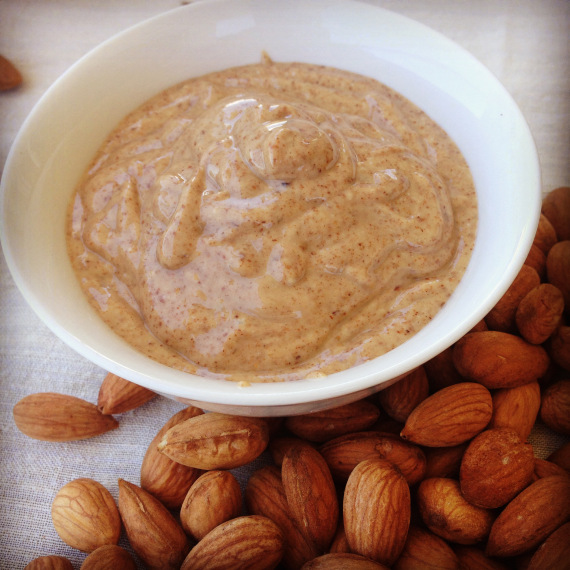
Eat straight off the spoon as is for a decadent dessert or snack, or with vegetable sticks, or smeared on slices of apple or pineapple, or drizzled onto pancakes or on a slice of traditionally prepared bread (stay tuned for my future posts on various buckwheat loaves – they are still a work in progress). Some add nut butters to their smoothies.  You can add a drizzle of honey or maple syrup onto your nut butter (which I did as you can see in the above photo).

Storage:

Nut butters keep for many weeks in a sealed container or jar in the fridge. The downside is that they will go quite hard though in the fridge. They will keep a few days out of the fridge.

Variations:

You can substitute any other type of nut. Macadamias don’t require as long in the food processor presumably due to their higher oil content. You just need to keep processing until the nuts reach the consistency of a smooth, creamy, butter. This will depend on the type of nut and how powerful your food processor is. You can flavour or sweeten your nut butter by adding the following while processing such as:

  • raw cacao powder, cinnamon powder, and/or vanilla bean powder

  • raw honey or maple syrup

  • turmeric, cumin, ginger, garlic powder and/or chilli flakes (I’ve made turmeric and brazil nut butter before)

In this way you can make your own spreads and butters without resorting to expensive store bought varieties. Have you made nut butter before?  What ingredients did you use?

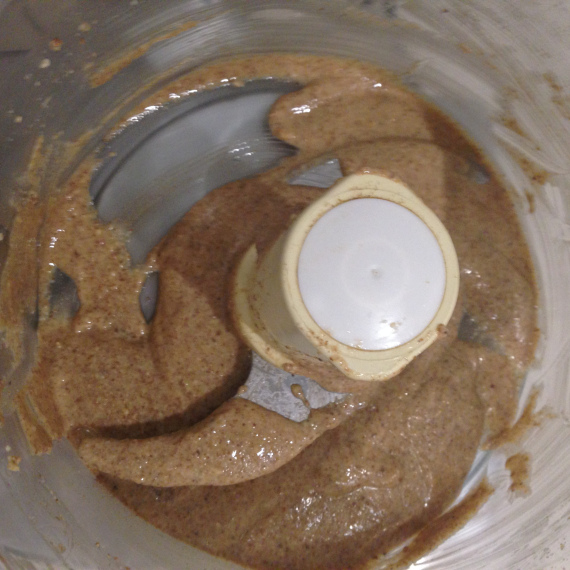
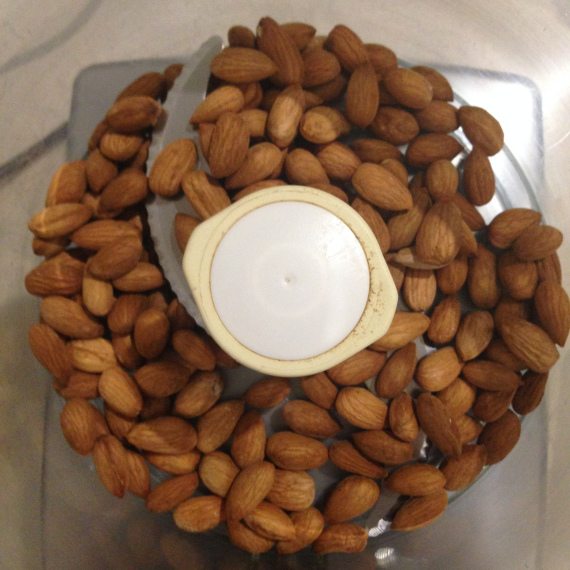
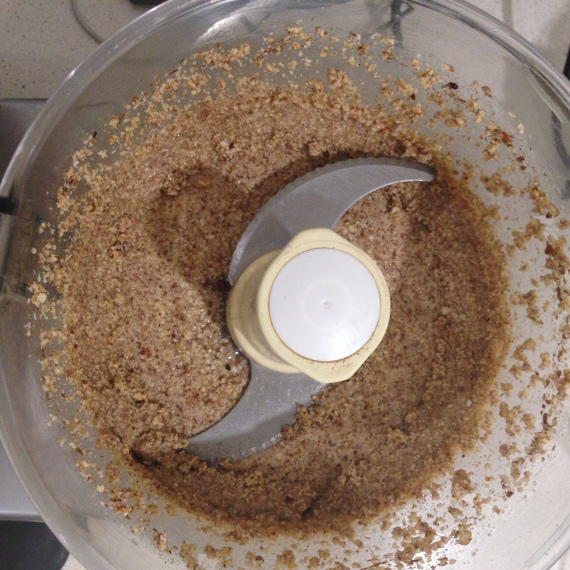
The photos below show you the transition from whole almonds to almond butter at 4 minute intervals over 15 minutes of processing.

If you would like to be added to my pâté email distribution list…

Guest User

Did you know that pastured livers are the most nutrient-dense food on the planet bar none? They are high in vitamins A, D, E and B group vitamins (crucial for reproductive health) and minerals such as highly absorbable iron, copper, zinc, magnesium and choline. Livers are the richest source of folate of any food (expectant mothers take note!). Livers are also a great source of protein and healthy saturated fats.

Given how vitamin and mineral depleted most of us are in this busy Western world, I believe pâté (or other organ meats for that matter) is something we should be eating least once or twice a week if not more frequently. They are an especially important source of fuel and nourishment for athletes, children, those who are iron-deficient, those wishing to fall pregnant, as well as pregnant and lactating women. To read how one mother overcame dangerously low iron levels during her pregnancy with daily consumption of livers (as opposed to iron tablets that her doctor was pushing), read one of my earlier posts here.

Concerned about the taste? Chicken liver pâté is a very palatable way of consuming organ meats. I suggest eating with vegetable sticks or on traditionally prepared bread (sourdough, sprouted etc).

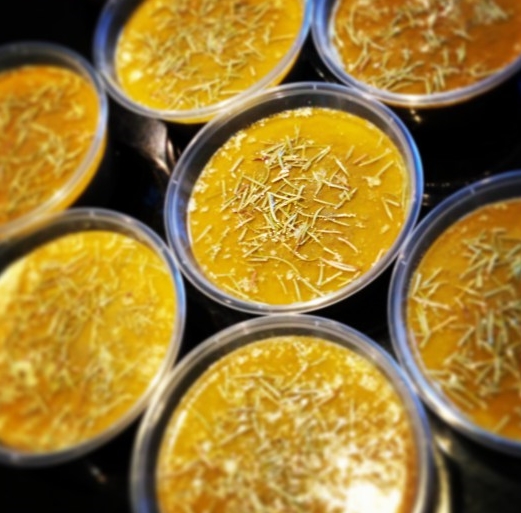
I make chicken liver pâté on a weekly (or fortnightly) basis with livers from Burrawong pastured hens  (and other ingredients that are either certified organic or if not certified then in substance organic).

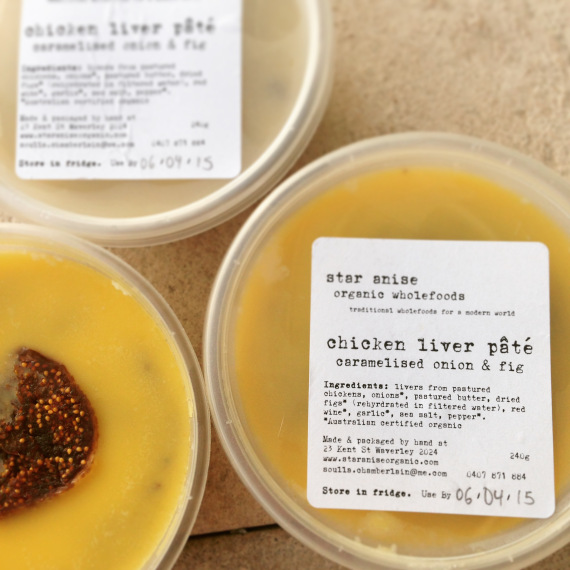
I run regular cooking classes on how to cook organ meats but if you don’t have the time, energy or inclination to make pâté on a regular basis (or if the idea of handling livers freaks you out) then consider being added to my pâté email distribution list. All you need to do is let me know (via text 0407871884 or email soulla.chamberlain@me.com) your email address and I’ll add you to the list so that you will be notified whenever I make pâté and which flavour I’m making. I make 4 varieties: (a) sage and thyme, (b) rosemary, (c) date, and (d)  fig (the latter 2 are a sweeter introduction to the world of pâté). Then you simply let me know if you want any and when you can collect from my workshop in Waverley. I retail it for $19.80/240g tub and it can befrozen- handy for a summer picnic or a rainy day emergency. Pâté keeps 5 days in the fridge once the butter encasing is broken.