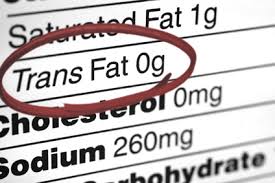
The US FDA recently gave food manufacturers three years (until 18 June 2018) to remove trans fats (partially hydrogenated oils) from their products, ruling that trans fat are not "generally recognized as safe" for use in human food. In 2013, the FDA had made a tentative determination that trans fats were no longer safe. After years of public comment and scientific review, this is the final step in the process. Currently, the law still allows companies to list products as "trans fat free" even if they had 0.5 grams of fat. That should change with the new ruling. To read the press article click here.
Partially hydrogenated oil is formed when hydrogen is added to liquid oils under high pressure and heat to make solid fats, like shortening and margarine. This increases the shelf life of food.
Trans fats have been banned in Europe for a long time with good reason. They are not safe for human consumption. Studies (like this one and this one) have shown that they are highly inflammatory (i.e. high in omega 6), unnatural substances leading to higher body weight, cardiovascular disease and memory loss.
One would hope that it is only a matter of time for Australia follow suit. In the meantime avoid at all expense shortening, margarine, spreadable butters and foods that contain them like most conventional biscuits and popcorn (as it's bathed in margarine). Read packaging labels carefully and avoid all hydrogenated or partially hydrogenated oils. While not technically trans fats, industrialised seed oils like cottonseed oil, corn oil, grapeseed oil, soy bean oil, vegetable oil and canola oil, should also be avoided for similar reasons (this means avoiding deep fried foods in restaurants like chips or tempura because they are typically deep fried in industrialised seed oils. Sad, I know). You can read more about the dangers of vegetable oils here.