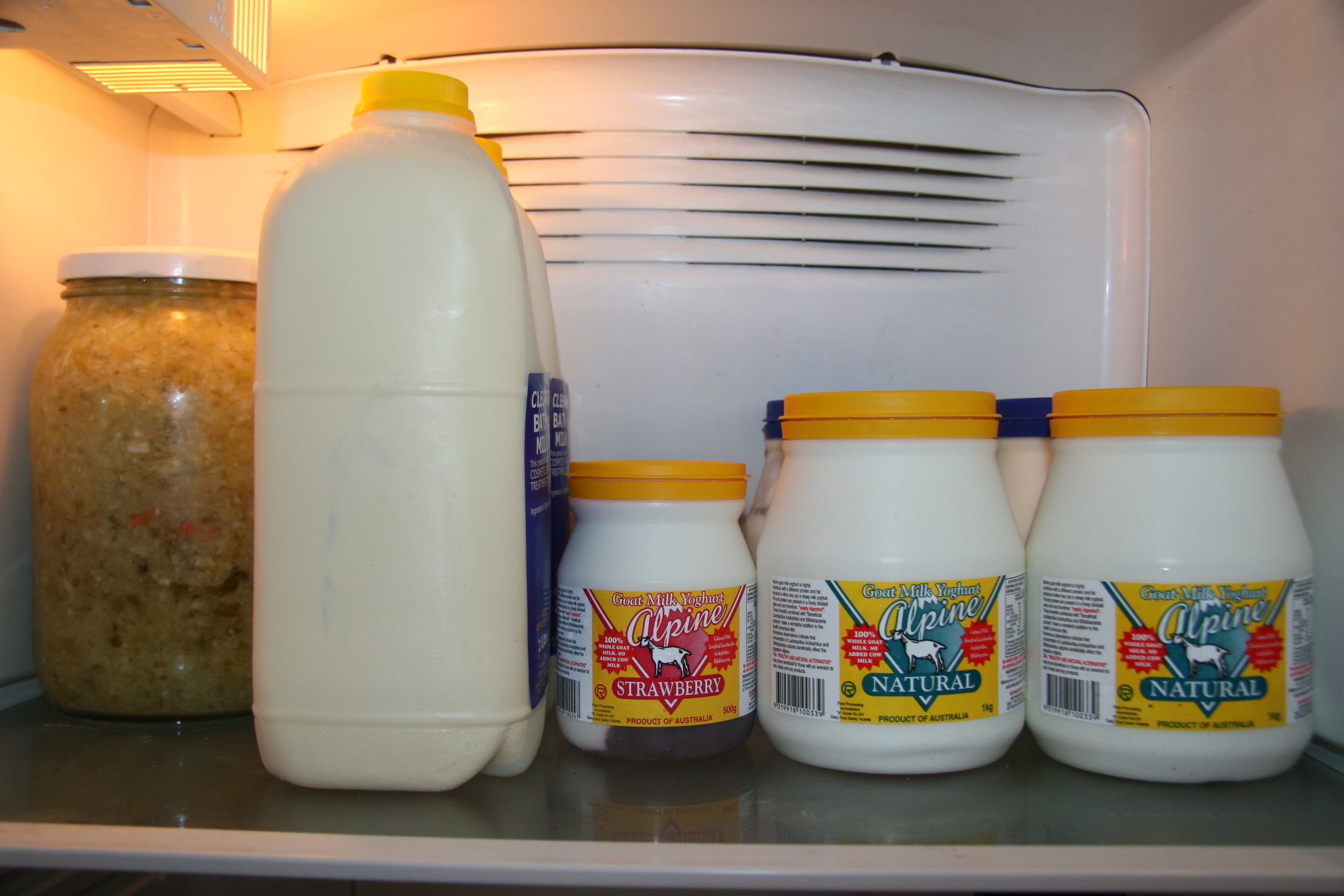
Are you getting your daily dose of (friendly) bacteria? Lacto-fermentation update....
In September this year I held 2 lacto-fermentaiotn workshops. The first on making sauerkraut and the second on making kefir, cream cheese and whey.

The workshops involved a combination of theory and practical experience with detailed information handouts, step by step guide and recipes. We discussed what fermentation is, the interaction of pathogens (harmful/unfriendly bacteria) and probiotics (good/friendly bacteria), and the numerous health benefits of probiotics that are found in home-made fermented foods that have served traditional cultures for millennia. In particular, these friendly bacteria increase the micro-nutrient content of foods, are needed for strong immunity by killing unfriendly bacteria when they enter the body, and increase digestive (gut) function. Yes most people eating a traditional wholefoods diet probably know that. Nothing new there. But the latest research shows that having the right balance of friendly bacteria in our gut goes much much further - they influence our weight range (including fat mass, metabolism, appetite control, cravings, insulin resistance) and brain function (including our mood, intelligence, memory, learning and behaviour). So these little critters are worth paying attention to.


I run these workshops annually but if you didn't make it to them and are interested to learn more about this please let me know because I can either run another workshop if there's a sufficient quorum or do a private one on one.
There's been increasing media attention this year to the benefits of probiotic rich food for optimal health.
In the ABC Four Corners documentary screened earlier this year on autism and bacteria one professor stated that it was essential for a child's mental development that it acquire the right gut bacteria at critical windows of the child's development and failure to be exposed to those bacteria opens the door for mental issues. The conclusion was that autism is not a lifelong immutable condition but rather was caused by and dependant upon environmental factors including an overgrowth of pathogenic bacteria in the gut. This is entirely consistent with the work and research of my wholefoods guru Chris Kresser who emphasises the direct connection between the gut and the brain ("gut brain axis") and who explains that all autoimmune conditions (including autism) require the presence of (among other things) a leaky gut. More specifically, the absence of beneficial bacteria in our digestive tract results in an overgrowth of pathogenic bacteria (“intestinal dysbiosis”) that produce endotoxins called lipopolysaccarides that damage the tight junctions of the gut causing it to become leaky like a sieve. This opens the way for harmful foreign substances (e.g. gluten) to enter the blood stream instead of being kept out, triggering in some people an autoimmune response where the body produces antibodies and starts attacking its own tissues. The gut lining degenerates to the point where it becomes unable to absorb food properly leading to digestive disorders, nutritional deficiencies, food intolerances, autoimmunity and inflammation. Boy, if that's not motivation enough to start eating lacto-fermented foods on a regular basis then I don't know what is!
An article published in the Sydney Morning Herald on 30 October 2012 highlighted that the medical profession is starting to acknowledge that "that the microbes in our gut may contribute to hard-to-treat problems like allergies, auto immune disease, irritable bowel syndrome, inflammatory bowel disease and even obesity and diabetes". It was stated that our sanitised environment and changing diet are "suspects" in disrupting gut microbes and contributing to chronic disease as a result (well, that's a start, at least). What was encouraging is that according to Sydney gastroenterologist Professor Tom Borody "it's six decades of using antibiotics that's upset the balance of gut microbes the most". However this professor has another idea – recolonising the gut with microbes from a healthy gut. Called faecal microbiota transplantation, and still considered a fringe therapy in Australia, it involves harvesting microbes from donor faeces and transferring it to recipients in a procedure similar to a colonoscopy. Hmmm.... my first reaction was typical medical science and its band-aid fixes. Instead of faecal microbiota transplantation isn't is preferable that people remedy the underlying problem by focusing on nailing their diet?Without a constant supply of probiotic-rich foods, gut dysbiosis is likely to re-emerge at some stage after faecal microbiota transplantation.
While the mainstream medical establishment and the media are miles behind fully appreciating and understanding the necessity (not just the importance) of eating probiotic rich foods on a daily if not regular basis, I'm encouraged that gut microbiota is becoming one of medicines hot topics. In the same way that the dangers of sugar has finally hit the mainstream, I'm hopeful that we'll see more and more attention being paid by modern science and conventional dietetics to the benefits of friendly bacteria in our overall health.

The importance of lacto-fermented foods is always a theme in the pages of the Weston A Price "Wise Traditions" quarterly journal. But in this current edition (Vol 13 No 3) it was brought to my attention that Dr Joseph Mercola tested fermented vegetables produced by probiotic starter cultures (such as home made whey) and found that they had 10 trillion units of colon-forming bacteria. One serving of these vegetables was equal to an entire bottle of high-potency probiotic tablets. While there might be instances where store bought probiotic tablets might be recommended theapeutically (eg after a course of antibiotics), in most cases the regular consumption of home-made fermented foods will provide all of the probiotic bacteria you need at a mere fraction of the cost of probiotic pills. Not only do home made probiotics tend to have more microorganisms in them than store-bought probiotic pills, they also have a greater variety of different strains of microorganisms.
Are you getting your daily dose of probiotics? The easiest way is to make your own kefir from the starter sachets sold at organic stores and making a big batch of sauerkraut once in a while that will keep you going for months. I can show you how! If you don't have the time, energy or inclination to DIY then simply buy sauerkraut from me or other producer of unpasturised sauerkraut.