Contact Star Anise Organic Wholefoods
 

Please use the form on the right to contact me!
I will get back to all enquiries as soon as possible.

Soulla x 


123 Street Avenue, City Town, 99999

(123) 555-6789

email@address.com


You can set your address, phone number, email and site description in the settings tab.
Link to read me page with more information.

Blog

This blog started as a way for me to share my recipes + culinary adventures, tips for vibrant health + happiness, thoughts on the latest developments in nutritional medicine + the low down on the Sydney wholefoods scene and beyond...

3-ingredient Hollandaise sauce

Guest User
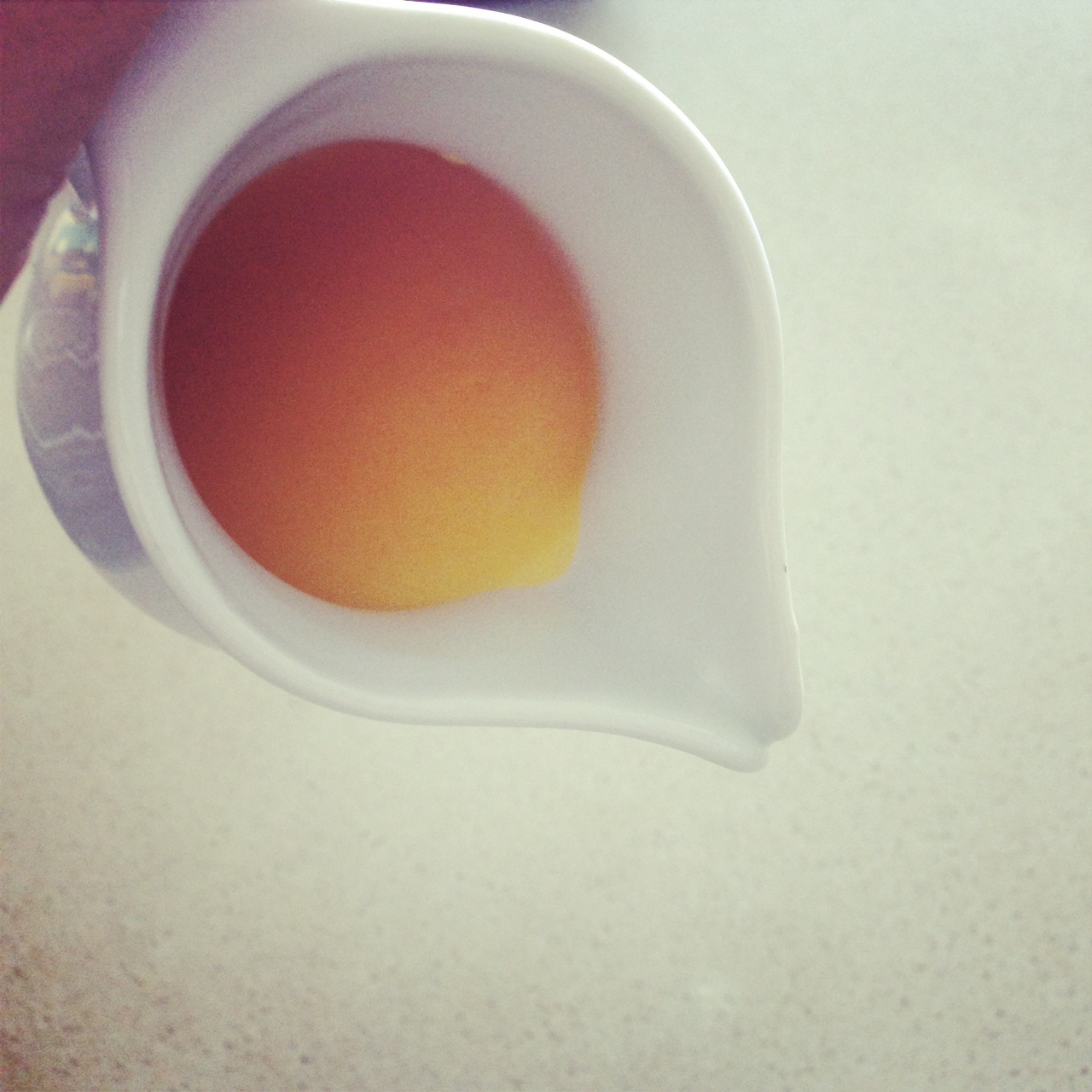
I have been wanting to make Hollandaise sauce for years and years but somehow I resisted it because I thought it was going to be tricky and complicated. I avoid it at restaurants because they usually use canola oil or some other industrial seed oil nowadays. When I got talking to my assistant Zoe about it the other day she showed me how easy it is to make using only nutrient-dense ingredients.

I then tweaked her recipe by using lemon juice instead of apple cider vinegar (as the taste of lemon juice is less sharp) and using a small saucepan instead of the double boiler method (as I’m all about simplicity).

The main ingredients are only egg yolks, butter and lemon juice (plus salt and pepper but as they are added to almost all recipes I don’t really count them as ingredients).  So incredibly nutrient-dense!! This is a great way to get nutrient-dense pastured egg yolks and pastured butter into your kids if they otherwise struggle to eat these vital foods.

Ingredients:

3 egg yolks (from pastured hens)

80g pastured butter (cold or room temperature)

2 teaspoons lemon juice

1/8 tsp unrefined salt

cracked pepper

Directions:

If the butter is cold (i.e. refrigerated, dice it up into small pieces). Place egg yolks in a very small saucepan or a traditional Greek coffee pot called a briki. Add salt, cracked pepper and lemon juice and whisk on very low heat until combined. Add a small amount (eg 1 teaspoon, or 1 diced part) of butter and whisk until butter has melted and is mixed through. Continue adding and whisking the butter, piece by piece, until all the butter is added and whisked through.

The reason you add the butter piecemeal is to ensure that the mixture maintains an even low temperature and does not overheat otherwise you will end up with scrambled eggs! The mixture should thicken and be smooth, rich and creamy. If it is not thick enough for your liking, add more butter. If it is not salty enough for you, add salt to taste. This recipe was made with unsalted butter.

If the mixture turns lumpy you have overheated it and started to make scrambled eggs! If you end up with lumpy sauce (which I have done on one occasion from overheating it) then don’t throw it out- simply smear on quality sourdough or sprouted bread or toast with scatterings of chopped parsley. I can’t stand the thought of throwing out nutritious food.

I make my Hollandaise sauce in a small Greek coffee pot on my stove’s smallest burner on the lowest heat setting. If you are not Greek or Cypriot I’m tipping that you don’t own a small Greek coffee pot (and if you are Greek or Cypriot and still don’t own a briki then what sort of a wog are you?!?)…. in which case use the smallest saucepan you own. I have made the sauce using a small saucepan a couple of times and can confirm that it has turned out fine. If your saucepan is not small enough for the ingredients to gain a critical mass to whisk them, then use the double boiler method which involves inserting a heat-proof bowl over a pot of simmering water and allowing the steam to gently heat and melt the ingredients in the bowl. Makes sure that there is a gap between the simmering water in the pot and the bottom of the bowl.

Serve Hollandaise sauce on eggs or steamed asparagus (or any other vegetable of your choice!). We served the sauce on semi-hard boiled eggs with a pinch of paprika as pictured above. I have also drizzled it over lambs fry as shown below.

Leftovers can be refrigerated in a small bowl and consumed as a dip with carrot or celery sticks. Hollandaise keeps about 3 days refrigerated. Otherwise to serve again as a warm sauce, reheat gently on stovetop or submerge the heat-proof container in a saucepan of simmering water .

Serves 3-4

We are now selling at 7th Heaven Wholefoods in Randwick

Guest User

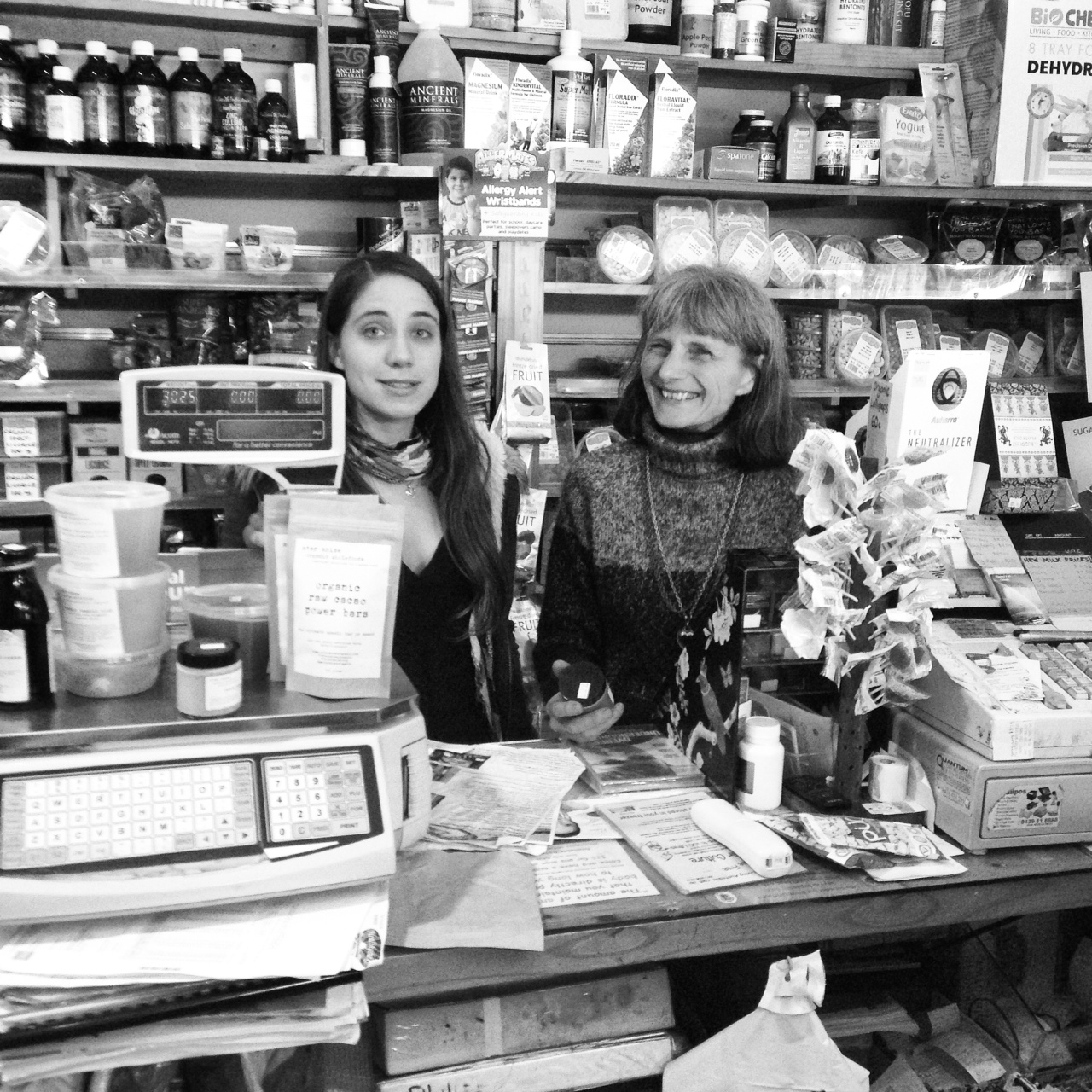
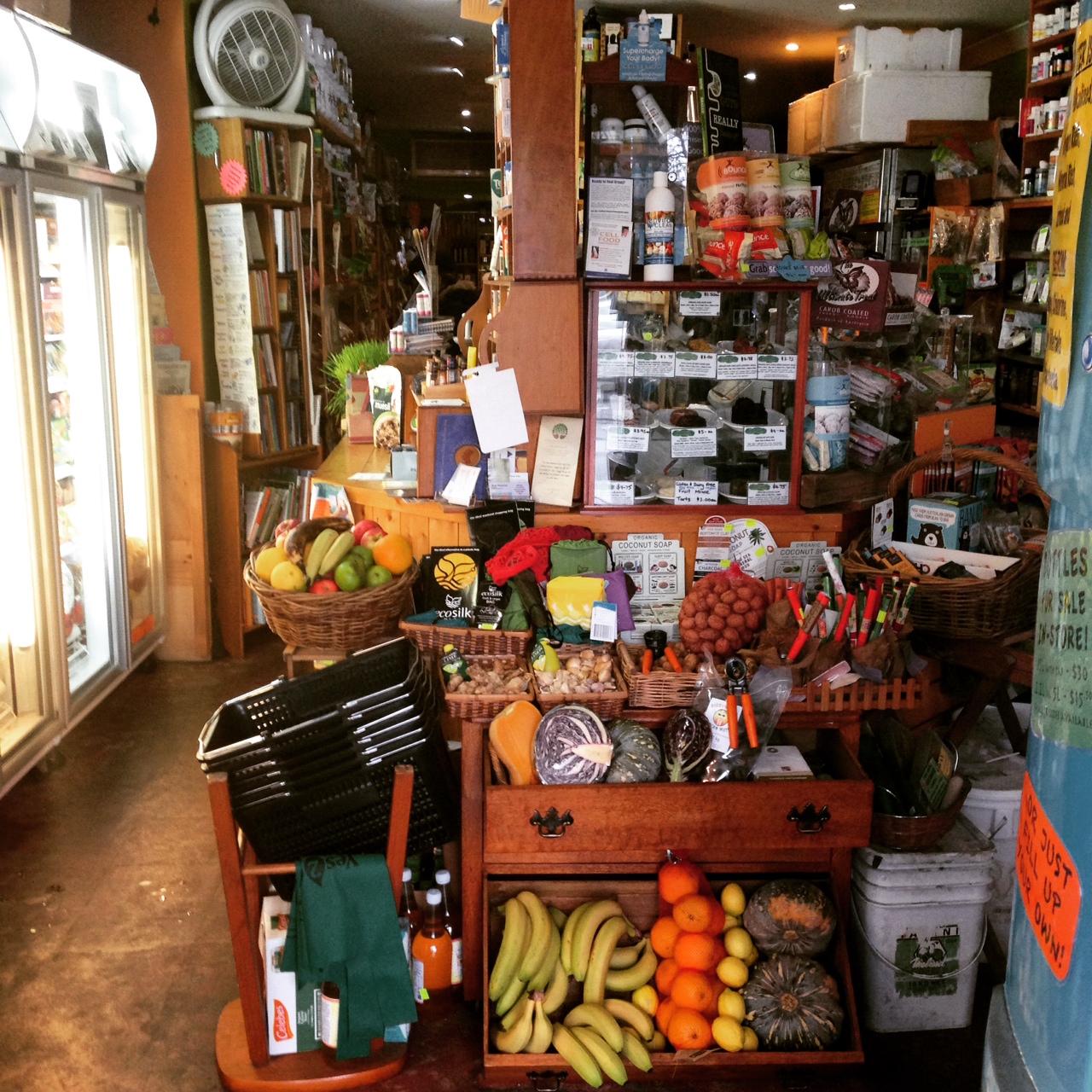
Boy, this little family-run super-friendly store sure packs a punch. 

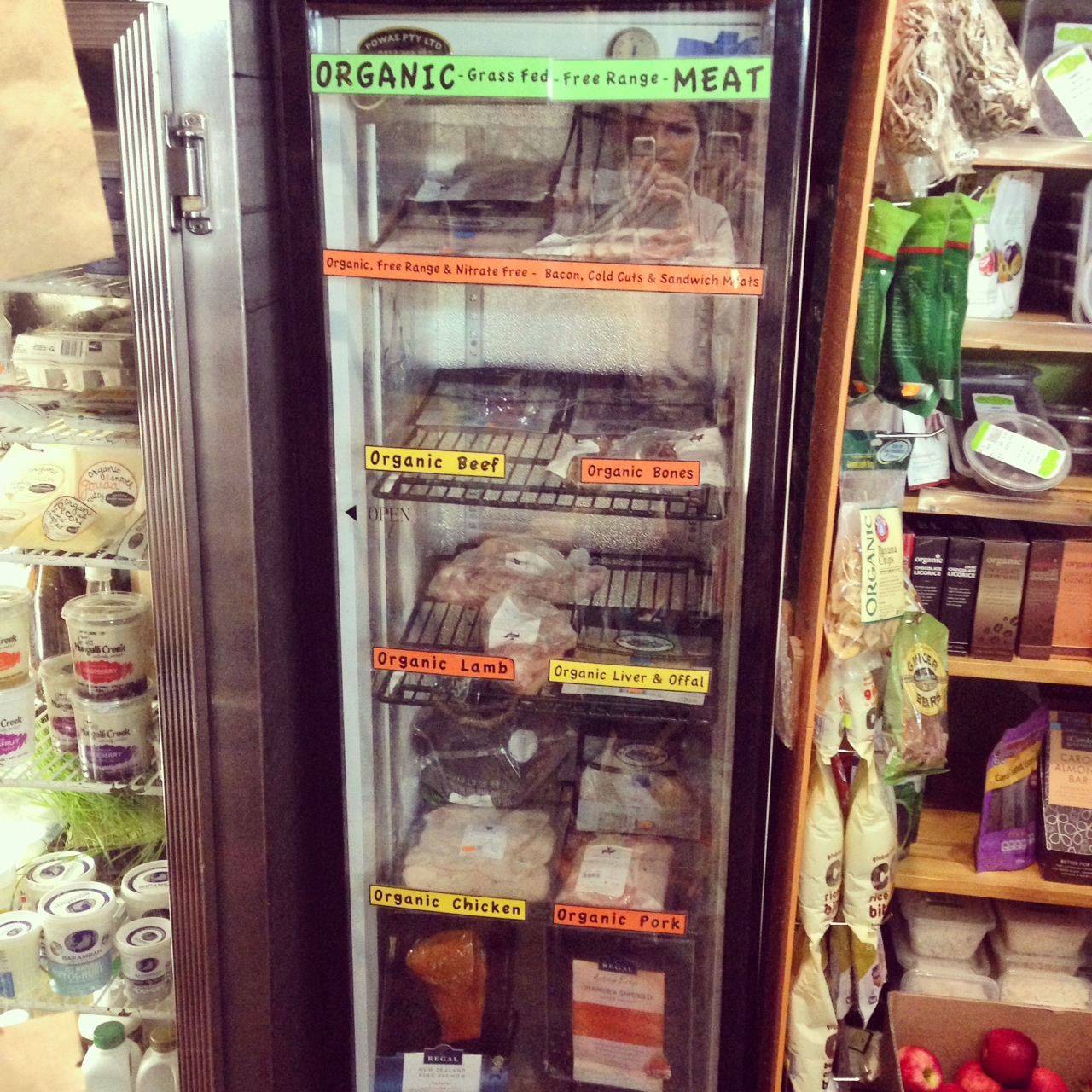
It is packed to the rafters with over 5000 different products including some of my favourite brands like Feather & Bone pastured meat, Cleos milk, Gympie Farm cultured butter, Dr Bronner’s soaps and loads more. I didn’t even know that this place existed until about a year ago and it’s just down the road! They provide an on-line store too.

They will initially stock my bone broth, tallow, pannacotta, chicken liver pâté and select varieties of my activated nuts.

Their contact details are:
122 Belmore Road, Randwick, NSW 2031
PH: 02 9323 5006
7th.heaven.wholefoods@gmail.com
Their trading hours are located on their website here.

 You can like/follow them on facebook here

For a complete list of my stockists, click here. In addition, you can also purchase directly from my workshop in Waverley by emailing or texting me your order.

Transfats to be banned in the USA

Guest User

The US FDA recently gave food manufacturers three years (until 18 June 2018) to remove trans fats (partially hydrogenated oils) from their products, ruling that trans fat are not "generally recognized as safe" for use in human food. In 2013, the FDA had made a tentative determination that trans fats were no longer safe. After years of public comment and scientific review, this is the final step in the process. Currently, the law still allows companies to list products as "trans fat free" even if they had 0.5 grams of fat. That should change with the new ruling. To read the press article click here.

Partially hydrogenated oil is formed when hydrogen is added to liquid oils under high pressure and heat to make solid fats, like shortening and margarine. This increases the shelf life of food.

Trans fats have been banned in Europe for a long time with good reason. They are not safe for human consumption. Studies (like this one and this one) have shown that they are highly inflammatory (i.e. high in omega 6), unnatural substances leading to higher body weight, cardiovascular disease and memory loss.

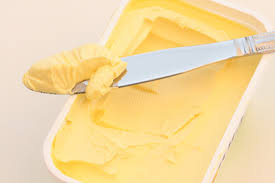
One would hope that it is only a matter of time for Australia follow suit. In the meantime avoid at all expense shortening, margarine, spreadable butters and foods that contain them like most conventional biscuits and popcorn (as it's bathed in margarine). Read packaging labels carefully and avoid all hydrogenated or partially hydrogenated oils. While not technically trans fats, industrialised seed oils like cottonseed oil, corn oil, grapeseed oil, soy bean oil, vegetable oil and canola oil, should also be avoided for similar reasons (this means avoiding deep fried foods in restaurants like chips or tempura because they are typically deep fried in industrialised seed oils. Sad, I know). You can read more about the dangers of vegetable oils here.

Opt for healthy fats like:

·      pastured egg yolks

·      the fat on pastured meat, poultry and pork (yes bacon!)

·      tallow (rendered fat or fat that rises and solidifies when refrigerated after making a pastured beef broth/stock)

·      fatty wild seafood eg wild salmon or wild tuna

·      full fat dairy from pastured cows, sheep and goat eg milk, cream, butter, yogurt, crème fraiche, cheese

·      extra virgin cold pressed coconut oil

·      extra virgin cold pressed olive oil

·      avocados and nuts

Fat (including saturated fats) from natural sources as set out above are essential for good health and do not increase LDL cholesterol levels, cause cardio vascular disease nor clog arteries. There is now ample scientific evidence to back this up. I have a folder full of scientific studies if anyone wants to eyeball them or meet with me to discuss your concerns. 

I applaud the US government’s decision for making this enormously important move (better late than never…kinda…) together with its recent acceptance that cholesterol is not a 'nutrient of concern'. The tide is definitely turning.

There are trans fats naturally found in meat but they are not artificial and are of no concern as they are a completely different beast to artificial trans fats.