Contact Star Anise Organic Wholefoods
 

Please use the form on the right to contact me!
I will get back to all enquiries as soon as possible.

Soulla x 


123 Street Avenue, City Town, 99999

(123) 555-6789

email@address.com


You can set your address, phone number, email and site description in the settings tab.
Link to read me page with more information.

Blog

This blog started as a way for me to share my recipes + culinary adventures, tips for vibrant health + happiness, thoughts on the latest developments in nutritional medicine + the low down on the Sydney wholefoods scene and beyond...

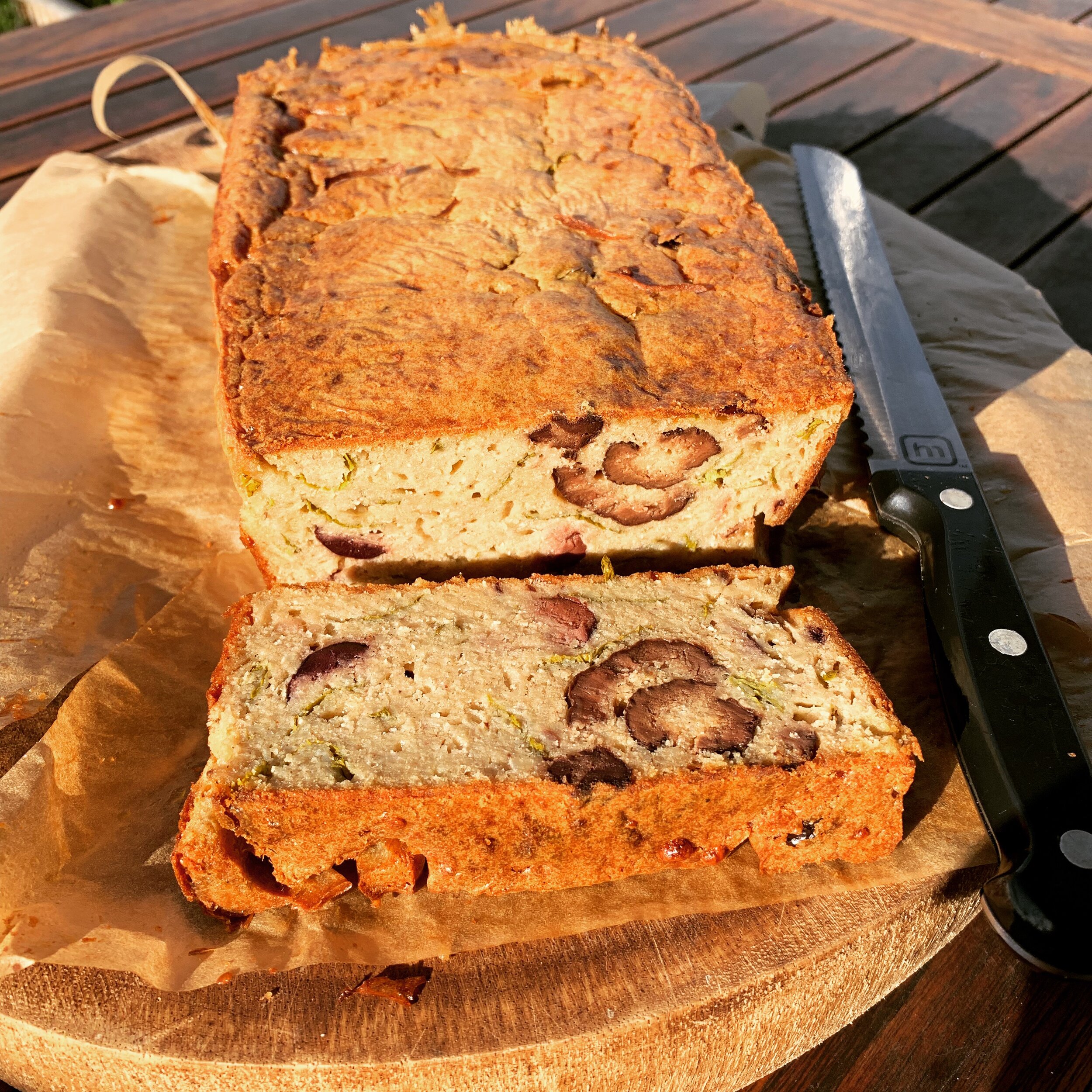
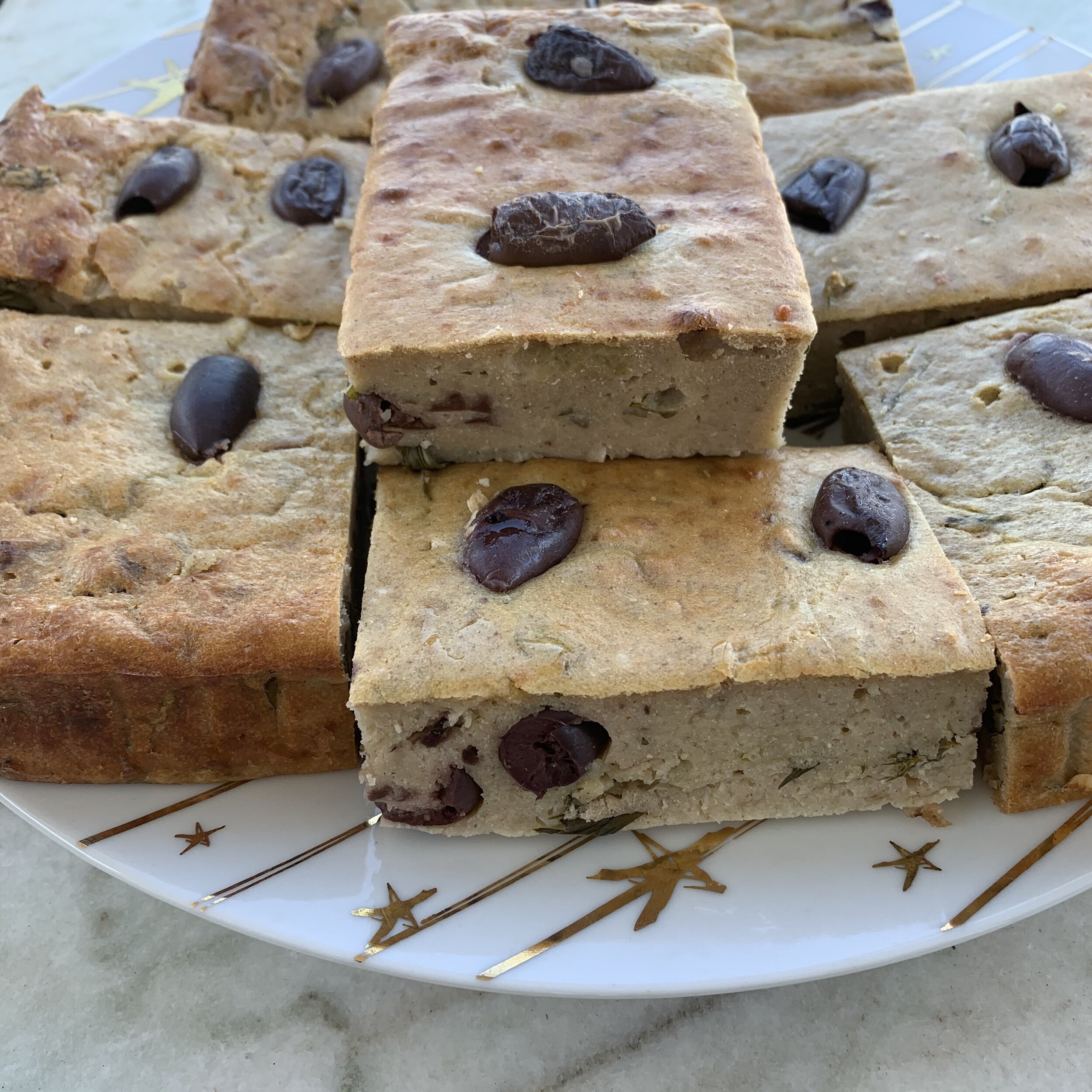
Greek olive and mint loaf (“Eliopita”)

Guest User


I took my mama’s traditional recipe and “wholefoodised” it to make it gluten-free and maximise nutrient-density. The whole house reminds me of my mum when we bake this this. My kids LOVE it! I hope you do too!

DEE55068-9CBD-4541-A8A6-95A1AB48C341.JPG

Ingredients:

  • 1.5 cups (250g) of activated savoury buckwheat

  • 100g Reggiano Parmigiano (parmesan) cheese

  • 1 cup whole milk

  • 1 cup (250g) Greek style full fat yogurt 

  • ½ cup extra virgin cold pressed olive oil

  • 4 eggs

  • 80g (3/4 cup) pitted black olives, roughly chopped, plus extra for decorating

  • 1 bunch (approx. 50g) mint, roughly chopped, stems removed


Directions:

Process activated buckwheat in a nut grinder or Thermomix (speed 9, 20 seconds) until it resembles a soft fine flour and add it to a large mixing bowl. 

Beat the eggs with stick blender, or process in a food processor or Thermomix (speed 6, 20 seconds) until fluffy and add to the large mixing bowl.

Grate the cheese by processing it in a food processor or Thermomix (speed 9, 15 seconds) and add to the large mixing bowl.

Add the rest of the ingredients to the large mixing bowl and stir until they are well combined to form a batter. 

Pour batter into a 20cm2 square cake tin or rectangular loaf tin lined with baking paper and decorate with a scattering of olives on top. 

Bake at 180 degrees for 1 hour or until a skewer comes out clean. This is the same cooking time if making a double batch in a larger cake tin (I use a 30cm x 30cm cake tin).

Place under heated grill element to brown the top of the slice (if required). 

Allow to cool before cutting into large square segments of about 10 cm2 (for square cake tin) or 1 inch slices (for loaf tin). Serve at room temperature.

Slices can be stored in an airtight container for 3 days before requiring refrigeration. They can be frozen up to 3 months. 

If you love this recipe you might also like to try my flaounes recipe which is another wholefoods spin on a traditional Cypriot family recipe. 


Why rest is different to sleep

Guest User


While I bundle sleep and rest together as one of the 8 Foundations or Pillars of Health, rest is different to sleep. 

As Chis Kresser articulates, rest happens when you are AWAKE, doing SOMETHING THAT YOU ENJOY, and THAT DOESN’T HAVE ANYTHING TO DO WITH WORK.

Our hunter gatherer ancestors would punctuate their days resting when they were not under obligation to hunt, gather or attend to other duties. Rest is a requirement of our ancient DNA to function properly. Deep rest activates our parasympathetic (rest and digest) nervous system. Repair and digestion can take place along with cultivating mental calmness, emotional stability and set the scene for sound sleep. Today however our modern lives are characterised by a chaos of busy-ness as we fly from one task to the other without pausing for breath. Productivity and working “around the clock” are often seen as badges of honour. This comes at a great cost to our nervous system (which is always on high alert), and to our overall health. Deep rest becomes even more important when we individually and collectively are under heightened levels of stress and uncertainty.

Contrary to the way I was raised, resting during waking hours is not a waste of time, nor an indulgence, nor a luxury, nor a sign of being lazy, irrespective of a long To DO list (that ‘to do’ list will never end by the way). Rest is not something to feel guilty about (it took me a long time to learn that). Rest is a necessity. Period. 

One challenge many people face (especially business owners) is that the boundaries between work and rest have become so blurred that it’s impossible to distinguish one from the other (especially when you love what you do so much that it doesn’t feel like ‘work’). This makes it very easy to be in work mode 100% of the time except for when you’re sleeping. But here’s the thing- working and getting ample sleep isn’t enough. You need to rest too.

So you need to carve out time to actually rest without guilt. Even if you get ample sleep if you don’t rest and you spend your days in work mode you risk burning out, or ultimately not being as healthy, vibrant and productive as you could be. Ideally having one FULL DAY off a week to rest is the best option to allow the body to move into parasympathetic mode and allow you to become even more productive. Sometimes our best ideas and revelations come to us in this environment.

Rest can take many forms and can be both active or passive. Here are some examples (some of which fall within some of the other 7 Foundations of Health):

🙏🏻meditate

🙏🏻spend time in nature

🙏🏻journal or write or draw 

🙏🏻sit or lie in the sun or in your favourite indoor space doing nothing except just being

🙏🏻read a non work related work

🙏🏻dance, do yoga or other movement

🙏🏻talk with a friend/loved one not about work

🙏🏻play games /puzzles

🙏🏻laze in bed

🙏🏻cook

🙏🏻spend time in a garden/ do gardening

🙏🏻have a massage

I hope this will inspire you to have some guilt-free rest time each day. 

IMG_2863 (1).JPG
 

The most nutrient-dense food on the planet for strong immunity and resilience!

Guest User


Did you know that livers from pastured chickens (the key ingredient in chicken liver  pate) are the most nutrient dense food on the planet bar none? Gram for gram pastured livers are packed with more micronutrients than any other food! Precisely why they were the most highly prized part of the animal for our hunter-gatherer ancestors. 

Did you know that nutrients are precisely what our body runs on and the more nutrients we have,  the more the structure, functions and systems of the body can work optimally? This includes our immune system! 

Livers are packed with vitamins A, D, E and K2 and these vitamins are key for building strong immunity and resilience. Vitamin A is important not just for strong immunity but also for glowing skin and is known as “the concertmaster of foetal development” because it is responsible for giving babies a beautiful broad face, high cheekbones and wide dental arch. A broad face and wide dental arch are not simply aesthetic – they also bring numerous functional benefits especially in terms of optimal breathing, jaw development, and teeth formation and placement. In addition, livers are the highest food source of iron, B group vitamins (including folate!) and other trace minerals. No wonder it was one of the potent fertility foods to be eaten by both men and women in traditional societies who wanted to have a baby. 

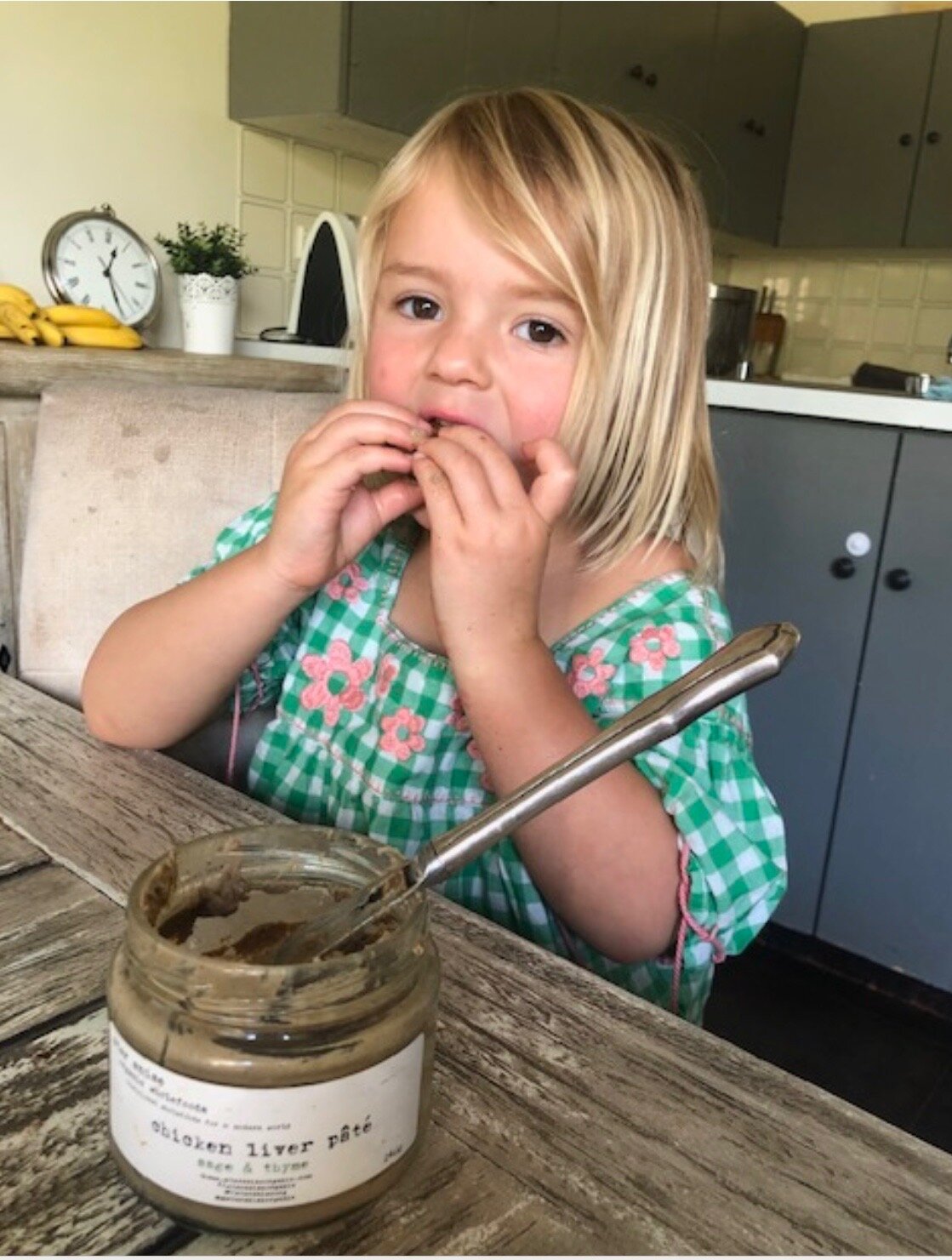
While many turn their noses up at eating livers, the French nailed it with a creamy spread or dip called pate which is a very convenient and palatable way of consuming livers (and for some the only way of consuming livers). We have a truly wonderful ongoing supply of our organic artisan sage & thyme chicken liver pate at Broth Bar & Larder and via our online store for delivery to all of Sydney, Wollongong and most of NSW.

If you’d like to learn how to make your own pate (it’s very simple!) and other organ meat dishes (both in sneaky form, and presented loud and proud!) check out my online organ meat workshop.

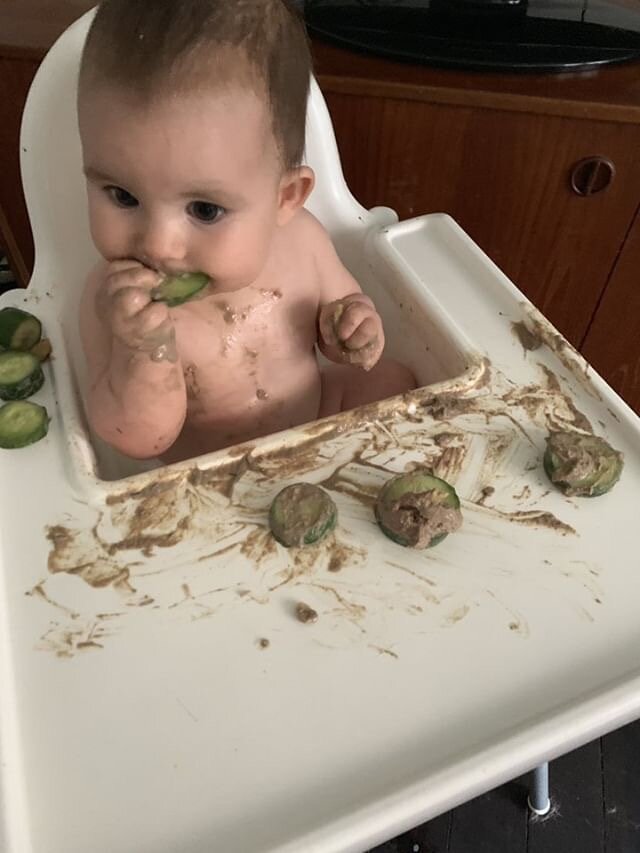
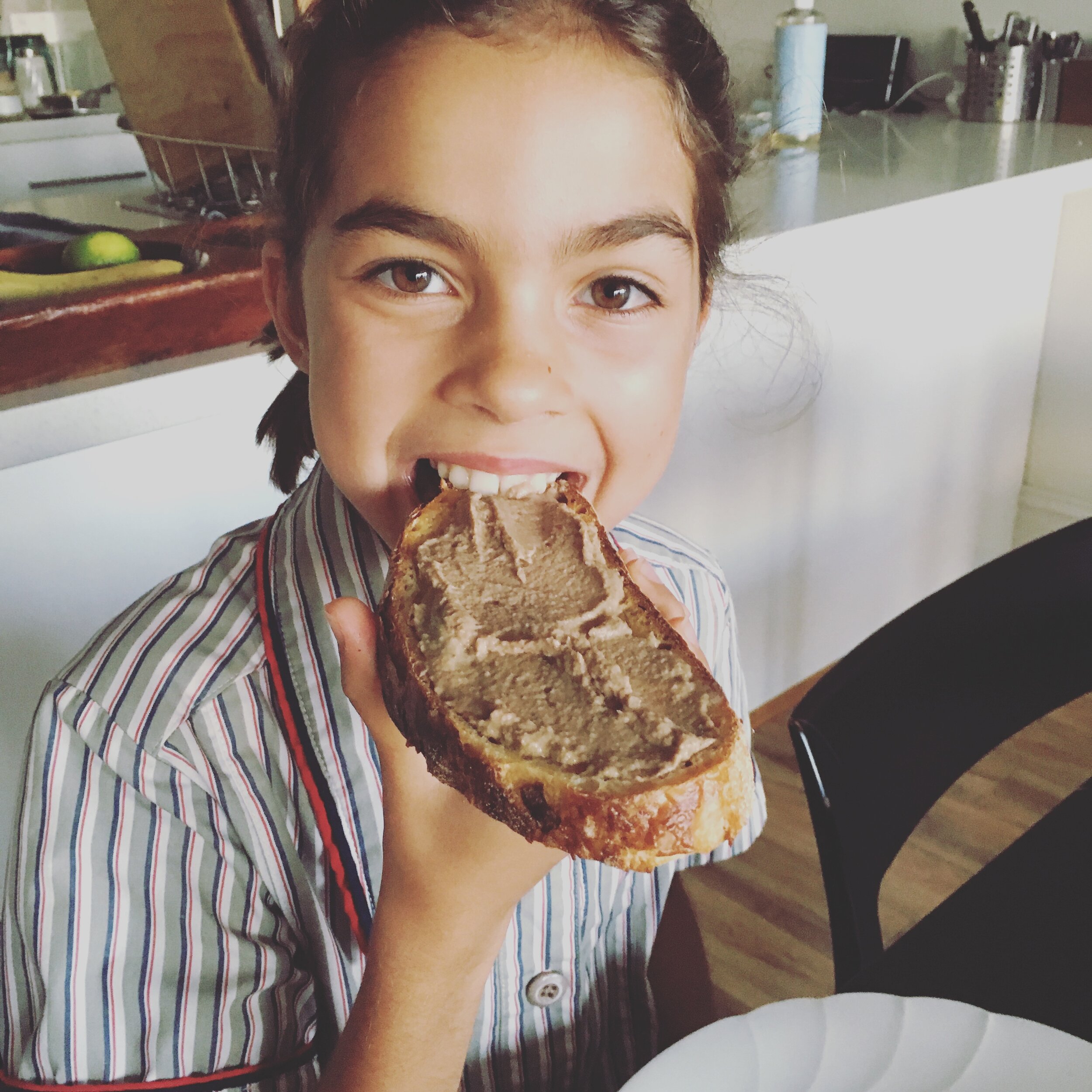
Whether you buy it or make it, I recommend you consume livers at least once a week (and more so if you’re pregnant, want to fall pregnant, breastfeeding, anaemic or have low immunity). I love pate on cucumber rounds, apple rounds, with veggie sticks, or smeared on quality sourdough or sprouted bread.

Photo 16-1-17, 12 12 29 am (1).jpg

Like all food, not all liver or pate is created equal so ensure you are choosing livers and pate from pastured poultry and preferably certified organic.

And in case you’re wondering, no the liver is not a storage house for toxins - it is a storage house for nutrients. In a well functioning body, toxins pass through the liver and are eliminated through normal elimination means (or are stored in fatty or nervous tissues) as opposed to being stored in the liver. Another myth that is often bandied around in conventional dietetic circles is that livers can cause vitamin A toxicity. Vitamin A toxicity can only occur un the absence of vitamin D. In a whole food form these micronutrients are perfectly synergistically balanced.

Learn more myth busting and nutritional theory (along with loads of recipes) in my online organ meat workshop!